Self-driving in Uganda is a great way for tourists to explore wildlife parks, cultural destinations, cities, and scenic landscapes independently without chauffeur services. However, safe self-drive travel requires preparation, awareness of road conditions, and responsible driving practices. Tourists should understand driving essentials, road safety rules, navigation systems, and emergency procedures before starting their journey.
Tourist driving essentials
Tourists planning a self-drive trip should carry essential travel documents such as a valid driving license, passport or national identification, and rental agreement documents. International tourists may need an International Driving Permit depending on rental company policies. It is also important to carry basic travel items such as drinking water, sunglasses, maps, phone chargers, and emergency contact numbers.
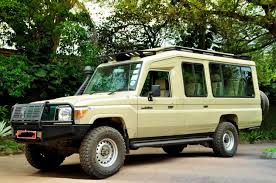
Choosing the right vehicle is also important. Safari destinations and rural tourism areas are best explored using strong 4×4 vehicles such as the Toyota Land Cruiser Prado or similar safari-ready SUVs. These vehicles provide better stability, comfort, and performance on rough or uneven terrain.
Understanding road conditions
Road conditions in Uganda vary across regions. Major highways and city roads are usually paved and smooth, while rural roads and national park access roads may be dusty, gravel-based, or muddy during rainy seasons. Tourists should drive slowly on rough roads and avoid sudden acceleration or sharp braking.
During rainy seasons, some roads may become slippery or flooded. Checking weather forecasts before traveling and allowing extra travel time is highly recommended.
Road safety and driving rules
Uganda drives on the left-hand side of the road. Drivers must follow speed limits, road signs, and traffic regulations. Seat belts must be worn by both the driver and passengers at all times. Avoid using mobile phones while driving unless using hands-free communication.
Driving at night in rural or wildlife areas is not recommended because of poor road lighting, pedestrian movement, and possible animal crossings.
Seat belts and child restraints
Seat belts are mandatory for all passengers inside the vehicle. For families traveling with children, appropriate child safety seats or restraint systems should be used. Parents should ensure children are safely seated and secured during travel.
Navigation and GPS usage
Tourists should use reliable navigation tools such as GPS devices or offline map applications. Some remote safari destinations may have weak mobile network signals, so downloading maps before traveling is helpful.
Drivers should confirm routes with locals or rental company support staff if unsure about road directions, especially when entering national parks or rural tourism areas.
Wildlife encounters
 When driving near wildlife conservation areas, tourists should drive slowly and remain alert. Animals may suddenly cross roads, especially in areas close to national parks. Drivers should maintain a safe distance from wildlife and avoid approaching animals for photography.
Night driving near wildlife zones should be avoided because animals are more active after sunset.
Cultural considerations
Respect for local communities is important when driving through villages, trading centers, or residential areas. Drivers should reduce speed near schools, markets, and pedestrian zones. Excessive horn use should be avoided in quiet community areas.
Vehicle maintenance and inspection
Before starting a self-drive trip, tourists should inspect the vehicle condition. Important checks include:
- Tire pressure and spare tire availability
- Fuel level
- Brake performance
- Lights and indicators
- Engine oil and coolant levels
Regular vehicle maintenance reduces the risk of mechanical breakdowns during travel.
Roadside assistance and emergency support
Tourists should keep emergency contact numbers for the car rental company. In case of vehicle breakdown, accident, or mechanical failure, the company should be contacted immediately.
If possible, move the vehicle to a safe location away from traffic before waiting for assistance. Carrying basic emergency tools such as a flashlight, first aid kit, and warning triangles is highly recommended.
Insurance coverage
Most rental vehicles are provided with standard insurance coverage as stated in the rental agreement. However, tourists may still be responsible for insurance excess fees in case of accidents or damages.
Clients are advised to understand insurance terms, coverage limits, and liability responsibilities before starting the trip.