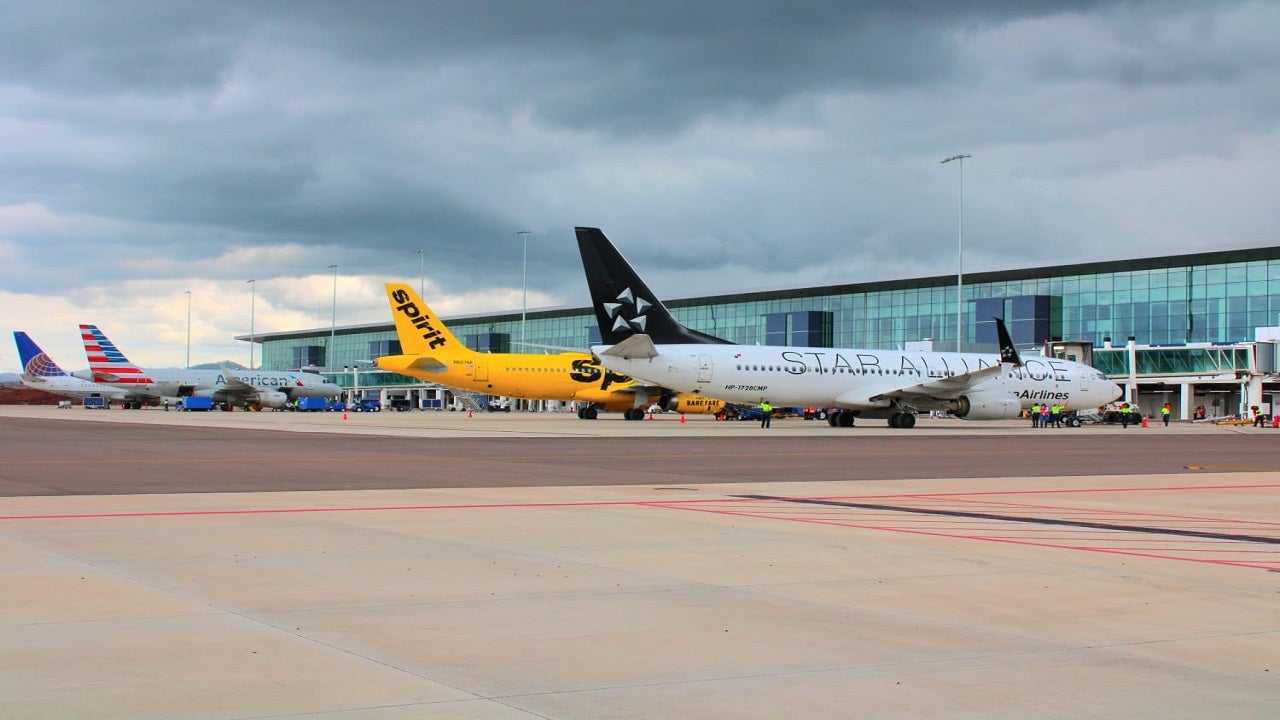
Kabalega International Airport is Uganda’s second international airport and one of the country’s major transport infrastructure projects. The airport is located in Kabaale Parish, Buseruka Sub-county, Hoima District about 51 kilometers west of Hoima City in western Uganda. The airport was first known as Hoima International Airport before being renamed in honor of Omukama Kabalega, the king of the Bunyoro Kingdom from 1870 to 1899.
The airport is in the Albertine region, an area that plays an important role in both economic activity and tourism. Although the airport was originally developed to support Uganda’s oil-producing region, it also has value for travel because it improves access to western Uganda. For visitors planning to explore the region’s national parks, forests and cultural sites, the airport offers a more direct entry point than road travel alone.
The construction of Kabalega International Airport began in 2018 as part of Uganda’s wider infrastructure development plans. The project was intended to improve transport links in western Uganda and provide a facility that could handle larger passenger and cargo aircraft.
The airport project has gone through several stages, including runway construction, terminal development and the installation of navigation and support systems. By 2026, most of the major construction work had been completed with final preparations focused on operational readiness and supporting infrastructure.
Airport facilities
Kabalega International Airport has been planned to serve both passenger and cargo operations. Its infrastructure includes a runway, terminal buildings and aviation support facilities intended for domestic and international flights.
One of the main features of the airport is its 3.5 kilometer asphalt runway which has been built to accommodate large aircraft. The runway is supported by taxiways that allow aircraft to move safely between the runway and the apron where planes park for boarding, unloading and servicing. The apron is an important part of the airport because it provides space for aircraft handling and ground operations.
The airport also includes a passenger terminal which is expected to handle traveler check-in, security screening, arrivals and departures. This is the part of the airport most visitors will interact with first and it plays a central role in making travel smoother and more organized. A cargo terminal has also been included in the design, allowing goods and supplies to be moved through the airport efficiently. This is especially useful for regional trade and for supporting businesses that depend on air transport.
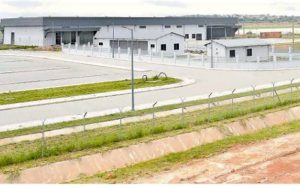
For safety and day-to-day operations, the airport has air traffic control facilities that help guide aircraft during takeoff, landing and movement on the ground. These facilities are essential for maintaining order in the airspace and ensuring that flights operate safely. The airport also has fire and rescue services which are required at any international airport to respond quickly in case of emergencies.
Meteorological services are another important part of the airport’s setup. These services provide weather information that helps pilots and airport staff make informed decisions about flight operations.
Kabalega International Airport also includes navigation and communication systems that help aircraft locate the airport and maintain contact with ground control. Fuel handling infrastructure is part of the wider operational setup which makes it possible to support aircraft refueling when the airport becomes fully active. Access roads have also been developed to connect the airport to surrounding areas, making it easier for passengers, staff, and cargo vehicles to reach the facility.
Importance for tourism
Kabalega International Airport is expected to improve access to several tourism destinations in western Uganda. For travelers, this means shorter travel times and easier connections to some of the country’s parks and natural attractions.
One of the main benefits for tourism is that the airport can make fly-in safaris and short-stay trips more practical. Visitors who may not want to spend many hours on the road from Kampala or Entebbe can use the airport as a starting point for exploring western Uganda. This is especially helpful for travelers with limited time, families, and visitors who prefer a more direct route to their destination. Some of the nearby tourism destinations include:
Murchison Falls National Park
Murchison Falls National Park is the biggest protected area in Uganda. It is known for game drives, boat cruises on the Nile and the Murchison Falls where the river passes through a narrow gorge before flowing downstream. The airport can make it easier for visitors to reach the park and begin their safari without a long road transfer.
Budongo Forest
Budongo Forest lies near Murchison Falls National Park on the escarpment northeast of Lake Albert. The forest is known for chimpanzee tracking and birdwatching. It is one of Uganda’s tropical rainforest areas. With improved air access, travelers interested in primates and forest experiences may find it easier to include Budongo in their itinerary.
Kibale National Park
Kibale National Park is widely known for chimpanzee tracking and for its variety of primates. It is one of the key wildlife destinations in western Uganda. The airport can help visitors connect more easily to the park, especially those combining chimpanzee tracking with other safari activities in the region.
Rwenzori Mountains National Park
The Rwenzori Mountains offer opportunities for hiking, mountaineering, and nature walks. The park is also known for its high-altitude landscapes and unique vegetation. For travelers interested in mountain scenery and outdoor adventure, the airport can reduce the time needed to reach this part of western Uganda.
Semuliki National Park
Semuliki National Park is recognized for its lowland tropical forest, hot springs and birdlife. The park has species that are more commonly found in the Congo Basin. Better air access may encourage more visitors to include Semuliki in a wider western Uganda travel route.
Cultural tourism in the Albertine region
The airport is also relevant for cultural tourism. The Albertine region and the wider Bunyoro area have a strong historical identity and visitors interested in local heritage, traditions and community experiences may find it easier to reach these places through Kabalega International Airport. This can support travel that combines wildlife, culture and local history in one trip.
With improved air access, visitors may find it easier to combine several destinations in western Uganda within one trip. This is useful for tour operators as well since it allows them to design travel plans that connect national parks, forests, mountains and cultural sites more efficiently.
Economic and regional significance
Beyond tourism, the airport is expected to support trade, investment and transport in the region. Better connectivity can help move people and goods more efficiently and may contribute to local economic activity.
The airport may also create opportunities for businesses in hospitality, transport, agriculture and tourism services as the region continues to attract more visitors and investment. Hotels, lodges, tour companies, vehicle hire services and local suppliers may all benefit from improved access to the area.