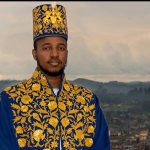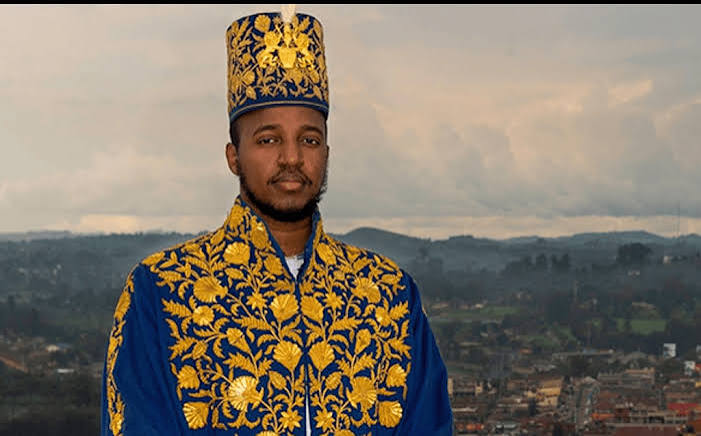
King Oyo Nyimba Kabamba Iguru Rukidi IV was the Omukama or King of the Tooro Kingdom in western Uganda. He was born on 16 April 1992 into the Tooro royal family. His father was King Patrick David Matthew Rwamuhokya Kaboyo Olimi III while his mother is Queen Mother Best Kemigisa. He also had an elder sister, Princess Ruth Nsemere Komuntale.
Oyo became king after his father’s death in 1995. He was only three years old when he inherited the throne. His young age made him internationally known. At the time, he was recognised as the world’s youngest reigning monarch. However, his role should not be confused with that of a political leader. Uganda is a republic and traditional kingdoms do not have political authority over the country. Their main role is cultural and traditional although they continue to have an important place in community life.
Oyo remained King of Tooro until his death on 27 August 2026 at the age of 34. His death brought an end to a reign that had lasted almost 31 years August 2026. His reign covered a period of major changes in the kingdom. He moved from being a child known mainly because of his age to an adult monarch who took part in cultural, social, environmental and tourism activities.
King Oyo’s early life and family
King Oyo was born into a royal family with a long history in Tooro. His father, King Patrick Matthew Kaboyo Olimi III was the Omukama before him. His mother, Queen Mother Best Kemigisa became an important figure in his life particularly after he inherited the throne as a young child.
Oyo’s childhood changed suddenly when his father died on 26 August 1995. He was only three years old. As the heir to the Tooro throne, he succeeded his father and became Omukama shortly afterwards. This meant that Oyo grew up under circumstances that were different from those of most children his age. He had normal childhood needs such as education and family life but he also carried the responsibilities and public attention that came with being king.
His mother and other members of the royal family helped guide him during his childhood. Because he was too young to manage the affairs of the kingdom, adults played an important role in the administration of Tooro while he continued growing up and attending school.
How King Oyo became king at three
The story of how Oyo became king is central to his biography. His father died on 26 August 1995. Oyo was then only three years old. On 12 September 1995, he was installed as the Omukama of Tooro.
His accession attracted international attention because of his age. He became known as the world’s youngest reigning monarch at the time. Being king did not mean that a three-year-old personally ran the kingdom. Oyo was the traditional monarch but adults had to guide the kingdom because of his age. Members of the royal family, regents and other leaders helped oversee the affairs of Tooro while he grew up.
This arrangement continued for many years. According to recent parliamentary accounts, Tooro was administered by regents until Oyo reached adulthood in 2010. He then began taking greater responsibility for the affairs of the kingdom. His childhood therefore became a period of preparation. He had to grow up while learning about his family, his culture and the institution he would eventually lead as an adult.
King Oyo’s Education
King Oyo started with home schooling during his kindergarten years before moving into formal education. In 1999, at the age of seven he started primary school at Aga Khan Primary School. He studied there until 2004.
He later attended Kabira International School where he completed his secondary education and Advanced Level studies. After completing his education in Uganda Oyo went to the United Kingdom for university. From 2010 to 2013, he studied Business Management at the University of Winchester.
His education gave him experience outside Uganda while also preparing him for a more active role in the kingdom. His academic background is also useful when looking at the type of monarch he became. He was raised within a traditional institution but received a modern education that exposed him to different ideas and environments. This became part of the character of his adult reign.
Growing from a child king into an adult monarch
Oyo’s transition into adulthood was gradual. For many years, people knew him mainly as the young king who had inherited the Tooro throne at three. As he grew older, however, he began taking a more active role in kingdom affairs.
In 2010, he reached adulthood and began assuming greater responsibility for the administration of Tooro. This marked an important change. He was no longer simply a child monarch represented by adults. He became an adult traditional leader who could take part directly in public events, cultural activities and development programmes.
His public role also expanded beyond Uganda. He participated in international events and became involved in causes affecting young people, health and the environment. His long period on the throne meant that several generations of Batooro grew up with Oyo as their king. A child who had once attracted international attention because of his age had become an adult who represented Tooro’s cultural institution.
King Oyo’s contribution to Tooro Kingdom
King Oyo’s contribution to Tooro covered several areas. The Tooro Kingdom credits his reign with work involving culture, youth development, agriculture, tourism, technology, health and environmental conservation. Parliament also recognised his contribution to development and tourism.
Supporting education and skills development
Education was an important part of the development agenda associated with Oyo’s reign. The kingdom promoted programmes aimed at giving young people useful skills. His development plan included youth skills development as one of its main areas.
The kingdom also supported vocational and technology-related initiatives intended to help young people prepare for employment and other opportunities and
One example was the development of youth facilities known as Mucwa Youth Centre in Fort Portal. The aim was not only to provide young people with formal education but also to give them practical skills that could be used in everyday life.
Agriculture
Agriculture was another area included in the Tooro development agenda. The kingdom established a model farm intended to demonstrate farming practices that could be used by people with different amounts of land. This was relevant to Tooro because many communities in the region depend on agriculture. The model farm was intended to show practical approaches rather than treating farming only as a commercial activity.
Promoting technology
Oyo’s reign also included attention to technology. The Tooro Kingdom says an ICT centre was commissioned in Fort Portal to help young people gain computer skills. This was part of an effort to prepare the younger generation for a society where technology was becoming increasingly important. For a traditional institution, this was one way of connecting the kingdom’s cultural role with modern education and employment needs.
Environmental conservation
Environmental protection became another important part of Oyo’s public work. He was associated with efforts to protect River Mpanga which passes through the Fort Portal area. Parliament also recognised his environmental campaigns and his support for tree planting. The environment was particularly important because western Uganda depends on its forests, rivers, wetlands, mountains and agricultural land. Oyo’s environmental work therefore connected with the wider needs of communities in Tooro.
Promoting tourism
Tourism was another area where Oyo became visible. He took part in tourism activities that helped promote western Uganda. Among them was his involvement with the Rwenzori Mountains. The Tooro Kingdom records a 2022 royal expedition to the Rwenzori Mountains. The expedition was linked to climate change awareness and the promotion of mountaineering.
Parliament also recognised his role in tourism promotion including his participation in activities involving the Rwenzori Mountains and gorilla tracking. These activities helped connect his public role with some of western Uganda’s major tourism attractions.
King Oyo, youth and social causes
Youth issues were an important part of King Oyo’s public life. His own experience gave him a unique connection with young people. He became king at three and grew into adulthood under public attention. He later used his position to speak about issues affecting young people.
In 2016, UNAIDS appointed King Oyo as a champion for HIV prevention and awareness among young people in Eastern and Southern Africa. He used this position to encourage young people to understand HIV prevention and to support efforts aimed at reducing new infections. During his work with UNAIDS, he also spoke about the importance of involving men in preventing HIV transmission from mothers to children. His HIV advocacy gave the Tooro monarchy a role in a public health discussion that extended beyond the kingdom.
Oyo’s wider development agenda included youth skills. The Tooro Kingdom’s development plan identified youth skills development as one of its major areas. This included efforts to give young people practical abilities in areas such as technology and vocational work. His interest in youth was therefore connected to both social issues and economic opportunities.
The Tooro Kingdom also records Oyo’s involvement in advocacy for children’s rights. His position as a young monarch gave him a public platform through which he could speak about issues affecting children and young people. This became part of the wider social role he developed as he grew older.
Tooro Kingdom and the Batooro
Tooro Kingdom is a traditional kingdom in western Uganda. The kingdom has a long history and is closely connected to the Batooro people. The Tooro Kingdom traces its modern royal history to the early 19th century. It emerged from the wider Bunyoro-Kitara political and cultural history and developed its own royal institution. Today, Tooro is a cultural institution rather than a political government.
Uganda’s traditional kingdoms were restored under the 1995 Constitution but they do not have political authority over the country. The Omukama’s role is mainly connected to culture, tradition, heritage and community life.
The Batooro
The Batooro are the main ethnic community traditionally associated with Tooro Kingdom. Their cultural identity includes the Rutooro language, traditional ceremonies, clan structures, naming customs, music, dance and other practices. One well-known cultural practice is Empaako.
Empaako is a traditional naming system found among communities in western Uganda including the Batooro. UNESCO recognises the practice as an important part of intangible cultural heritage. The names used in the Empaako system can express respect, affection and social connection.
King Oyo and Tooro’s cultural heritage
King Oyo’s role was closely connected to the preservation and promotion of Tooro culture. The monarchy itself is one of the main symbols of the kingdom’s cultural identity. During his reign, the kingdom continued organising cultural events and supporting heritage projects.
One important site is the Karambi Royal Tombs where previous Tooro kings are buried. The Tooro Kingdom has included the rehabilitation and preservation of the royal tombs among its cultural projects. Such sites help connect present-day Tooro with earlier generations of kings.
Cultural festivals
Cultural festivals also provide a way of keeping traditions active. The Ekyooto Ha Mpango Festival, for example, brings together cultural activities, arts, heritage and community participation. Events of this kind can also support cultural tourism by giving visitors an opportunity to see elements of Tooro culture in a community setting. King Oyo’s reign therefore coincided with continued efforts to keep Tooro’s cultural identity visible while the kingdom adapted to modern life.
Karuziika palace and the Tooro royal family
Karuziika Palace is the royal seat of Tooro Kingdom in Fort Portal. The palace is located on Karuziika Hill and has a close connection with the history of the Tooro monarchy. For King Oyo, it was one of the important places associated with his reign. Royal ceremonies, cultural events and other kingdom activities have taken place there.
In September 2025, the palace hosted celebrations marking Oyo’s 30th coronation anniversary. The palace is also important because it represents the continuing institution of the Tooro monarchy.
For travellers, however, it is important to understand that a royal palace is not simply an ordinary tourist attraction. Access can depend on official arrangements, ceremonies and other considerations. Visitors interested in Tooro culture should therefore confirm current visiting arrangements before planning a palace visit.
King Oyo and cultural tourism in Western Uganda
Fort Portal is the cultural centre of Tooro and provides access to several nature and cultural attractions. The region is known for its crater lakes, tea-growing areas, forests, mountains and cultural heritage. It also provides access to major wildlife destinations.
Kibale Forest National Park is one of the major attractions near Fort Portal. The park is known for chimpanzee tracking and other primate experiences. Visitors can combine a wildlife trip with a visit to the Tooro region to learn about local culture. This creates a different type of Uganda safari. Travellers can spend part of their trip in the forest and another part learning about the people and history of the area.
The Rwenzori Mountains are another major attraction in western Uganda. The mountain range includes Mount Stanley, where Margherita Peak rises to 5,109 metres. King Oyo’s involvement in a Rwenzori expedition brought additional attention to the mountains and their environmental importance. The Rwenzori region can be explored through hiking and mountaineering trips, although climbing the higher peaks requires preparation and specialised equipment.
Semliki National Park is also part of tourist destinations in Toro Kingdom. The park is a home to lowland rain forest which is an extention of Ituri Forest of Congo basin. The park also protects Sempaya hot springs, Albertine Rift endemics and Guinea-Congo biome species which are not found elsewhere in East Africa.
Fort Portal is also a home of Amabeere caves which attract a number of visitors.
Death of King Oyo
King Oyo died on 27 August 2026, aged 34. His death brought an end to a reign that had begun when he was only three years old. He had therefore spent almost his entire life as the Omukama of Tooro.
News of his death was followed by mourning across Tooro and Uganda. The official announcement did not initially provide a cause of death. Reports later said that Oyo had been receiving medical treatment in the United States. Because information about his health has not all come from official sources. His death also brought attention to the future of the Tooro throne.
What happens to Tooro Kingdom after King Oyo?
The death of King Oyo has started a new stage in the history of Tooro Kingdom. The next king must be identified through the kingdom’s traditional succession process. The Babiito royal clan has a central role in this process. Following Oyo’s death, a 21-member committee of Babiito elders was formed to oversee the succession process and prepare the traditional ceremonies linked to the transition.
There is currently disagreement over whether King Oyo left a biological son who could succeed him. The Tooro Kingdom Prime Minister announced after Oyo’s death that the late king had left a young prince and said his identity would be revealed at the appropriate time. President Yoweri Museveni also said he had been informed by Queen Mother Best Kemigisa that Oyo had left a young heir.
However, the head of the Babiito royal clan Musuuga Charles Kayondo Kamurasi later said the royal clan was not aware of such a child. The Babiito leadership said the succession would be handled according to Tooro customs and that the royal clan would determine the next king. As of early September 2026, the identity of the next King of Tooro has not been formally settled through the traditional succession process.
The Tooro Kingdom had developed a 25-year development plan covering areas such as culture, youth skills, agriculture, tourism, environmental conservation and health. Some of these projects were still ongoing when Oyo died. The future of these projects will depend on the kingdom’s institutions and leadership. They should not all be described as completed achievements of King Oyo. A more accurate description is that some were projects he supported, launched or championed during his reign. The next leadership will determine how the kingdom continues with them.
Legacy of King Oyo Nyimba Rukidi IV
King Oyo’s legacy is closely linked to the unusual circumstances of his life.
King Oyo became king at three. He grew up under the guidance of adults while attending school. He studied in Uganda and the United Kingdom. He later became an adult monarch who took part in cultural activities, youth programmes, tourism promotion, environmental campaigns and social causes. His nearly 31-year reign gave him a place in the history of modern Tooro that few other leaders could match.
A King who grew up with His kingdom
Oyo’s life was closely connected with several generations of Batooro. People who were children when he became king later watched him grow into an adult monarch. This made his reign unusual. He was not simply a king who inherited the throne as an adult. He grew up while holding the position. His education, public work and cultural responsibilities all developed alongside his reign.
His youth legacy
Oyo’s involvement in youth issues is another part of his legacy. His work with UNAIDS placed him on an international platform for HIV and AIDS awareness among young people. His development agenda also included youth skills and technology.
These activities reflected his own experience as a young person who had grown up within a traditional institution.
His environmental legacy
Environmental conservation also became part of his public work. His involvement in the protection of River Mpanga and his Rwenzori expedition connected the Tooro monarchy with environmental issues. These efforts were relevant to a region whose economy and tourism depend heavily on forests, rivers, mountains and agriculture.
His cultural legacy
Perhaps the most important part of his role was maintaining the visibility of Tooro’s cultural institution. The Omukama represents a long tradition of leadership among the Batooro. During Oyo’s reign, the institution continued to organise cultural activities, support heritage projects and participate in community life.
His death does not end the Tooro Kingdom. Instead, it marks the end of one reign and the beginning of another chapter in the kingdom’s history.
King Oyo’s place in Uganda’s history
King Oyo Nyimba Rukidi IV will be remembered for becoming a king at an age when most children were only beginning school. But his story did not end with his childhood coronation.
He spent the next three decades growing into his position, receiving an education, representing Tooro and supporting different social and development causes. His life also shows how traditional institutions can continue to exist within a modern republic.
For Uganda’s tourism sector, his story provides an opportunity to introduce travellers to a part of the country that is sometimes overlooked. Western Uganda is known for wildlife, forests, mountains and crater lakes, but it also has a deep cultural history.
Tooro Kingdom, the Batooro people, Fort Portal and the royal heritage of Karuziika Palace are all part of that story. King Oyo’s reign is now history, but the cultural institution he represented continues. The future of Tooro will depend on its traditional succession process and the decisions made by the royal family and Babiito elders.