Traditional foods of Uganda
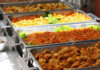
Uganda’s traditional foods reflect the country’s regional and cultural diversity. Matooke and luwombo are strongly connected with Buganda while eshabwe represents Banyankole food traditions. Malewa connects visitors with the food culture of the Bagisu around Mount Elgon, while malakwang is closely associated with northern Uganda. Different communities have developed food traditions based on the crops they grow, animals they keep and ingredients available in their areas.
A visitor can learn a lot about Uganda through its food. Traditional meals often involve local crops such as bananas, millet, cassava, sweet potatoes, groundnuts and leafy vegetables. Cooking methods also vary between communities and regions. Some traditional Ugandan foods worth experiencing include
Matooke
Matooke is a staple food made from green cooking bananas. It has a strong connection with the Baganda although many other communities in Uganda also eat it. People usually peel the green bananas and wrap them in banana leaves. They then place the wrapped bananas in a cooking pot and steam them until they become soft. After steaming, cooks can mash the bananas into a smooth dish.
Some households also cook matooke directly in a pot with a small amount of water. The cooking method depends on the household and region. Matooke usually comes with a sauce or stew. Groundnut sauce is a common choice. Other meals may include beef, chicken, fish, beans or vegetables. In central Uganda, matooke can also accompany luwombo, a meal closely connected with Buganda food traditions.
Luwombo
Luwombo is a traditional Ugandan dish in which meat, chicken, fish or groundnut sauce cooks inside banana leaves. The dish has a strong association with the Baganda and Buganda cuisine. The preparation starts with the main ingredient and its sauce. A cook places the ingredients inside fresh banana leaves and ties or folds the leaves carefully. The parcel then cooks over steam until the food becomes tender and the flavors develop.
Chicken luwombo is common, while beef, fish and groundnut versions are also prepared. Luwombo is often served with matooke. It can also accompany rice, cassava, sweet potatoes or other local foods. The banana leaves give the dish its distinctive cooking method and help retain moisture during steaming.
Rolex
Rolex is a popular Ugandan street food made from a chapati and eggs. The name comes from the phrase “rolled eggs” which describes how the food is prepared. A cook first prepares a chapati. Eggs are beaten and fried often with tomato, onion or cabbage. The cooked egg is then placed on the chapati and rolled tightly.
Rolex became especially popular as an affordable street meal in towns and cities. It is now eaten in many parts of Uganda and has become part of the country’s modern food culture. People can eat a Rolex on its own or with vegetables. Some vendors add avocado, tomatoes, cabbage or other ingredients according to the customer’s preference.
Katogo
Katogo is a Ugandan one-pot meal made by cooking different ingredients together. The exact ingredients vary according to the community, household and food available at the time. Matooke forms the base of many katogo dishes. Cooks may add beans, beef, offal, groundnuts, vegetables or other ingredients. Some versions use cassava or other starchy foods instead of matooke.
The cook combines the main ingredients in one pot and allows them to cook together. This allows the flavors from the sauce and other ingredients to mix with the main food. Katogo can be eaten as a breakfast, lunch or evening meal. It is particularly common in local restaurants and homes.
Millet
Millet is an important traditional food crop in several parts of Uganda especially northern, western and eastern Uganda. It has long been used by communities that grow the crop as part of their local food systems. People grind millet into flour and use it to prepare millet bread commonly known as kalo in several communities. The flour is mixed with hot water and stirred until it forms a firm dough.
Millet bread can be served with sauces made from beans, groundnuts, vegetables or meat. Some communities also prepare millet porridge which can be eaten as a breakfast or light meal. Millet remains important in areas where the crop grows well and forms part of local farming traditions.
Eshabwe
Eshabwe is a traditional sauce associated with the Banyankole found in western Uganda. It is made mainly from ghee and salt although preparation can vary between households. Traditional preparation involves mixing ghee with salt and water until the ingredients form a smooth sauce. Some people use smoked ghee which gives the sauce a stronger flavor.
Eshabwe is usually served as a sauce alongside food rather than eaten alone. It can accompany akaro, a millet-based dish, matooke and other traditional foods. The dish has a strong connection with Ankole food culture and can be served during important occasions and gatherings.
Malewa
Malewa is a traditional dish made from young bamboo shoots. It is associated with the Bagisu of eastern Uganda particularly communities around Mount Elgon. The preparation begins with harvesting young bamboo shoots. The shoots are cleaned, dried or smoked depending on the preparation method and then cooked to make a sauce or stew.
Cooks can combine malewa with groundnut paste to create a thick sauce. Some preparations also use other local ingredients to add flavor. Malewa is commonly served with foods such as matooke, posho or other staples. For visitors exploring the food traditions of eastern Uganda, it provides an opportunity to learn about the connection between local plants and community cuisine.
Malakwang
Malakwang is a traditional leafy vegetable dish associated mainly with northern Uganda. It is particularly linked with Acholi food traditions although the vegetable is also used by other communities. The dish uses malakwang leaves which have a naturally sour taste. Cooks first prepare the leaves before combining them with other ingredients to make a sauce.
Groundnut paste is often added to reduce the sharp sourness of the leaves and create a thicker sauce. Some households also add other vegetables or ingredients depending on the recipe. Malakwang is commonly served with millet bread, cassava, sweet potatoes or other local staples.