Home Blog Page 36

Facts About Uganda

0

UGANDA GOVERNMENTType: Republic.
Constitution: Ratified July 12, 1995; promulgated October 8, 1995.
Independence: October 9, 1962.
Branches: Executive–president, vice president, prime minister, cabinet. Legislative–parliament. Judicial–Magistrates’ Courts, High Court, Court of Appeals (Constitutional Court), Supreme Court.
Administrative subdivisions: 112 districts.
Political parties: 38 registered parties. Major political parties include the National Resistance Movement (NRM, the ruling party), Forum for a Democratic Change (FDC), Democratic Party (DP), Conservative Party (CP), Justice Forum (JEEMA), and Uganda People’s Congress (UPC), among others.
National holiday: Independence Day, October 9.
UGANDA’S ECONOMYGDP (nominal, 2009): $16.04 billion.
Natural resources: Copper, cobalt, hydropower, limestone, salt, phosphate, oil.
Agriculture: Cash crops–coffee, tea, cotton, tobacco, cassava (tapioca), potatoes, corn, millet, cut flowers. Food crops–bananas, corn, cassava, potatoes, millet, pulses. Livestock and fisheries–beef, goat meat, milk, poultry, Nile perch, tilapia.
Industry: Processing of agricultural products (cotton ginning, coffee curing), cement production, light consumer goods, textiles.
Trade: Exports (2009)–$3.1 billion: coffee, fish and fish products, tea, tobacco, textiles, cement, maize, electricity. Major markets–EU, Sudan, Kenya, Democratic Republic of the Congo, Switzerland, Rwanda. Imports (2009)–$4.3 billion: petroleum, road vehicles, cereals, industrial machinery, iron and steel, medical/pharmaceutical supplies. Major suppliers–EU, United Arab Emirates, Kenya, India, China. Japan
Fiscal year: July 1-June 30.

Tourism in Uganda
Uganda is famous as the premier safari destination in Africa teeming with abundant wildlife and wetlands and it’s not surprise that safari activities are at the top of every vacationer’s “must-do” list. Tourist attractions consist of sparkling waterfalls, wetlands and rain forests filled with wildlife, and the untouched wilderness of Bwindi where Batwa tribe still lives without any contact with the rest of the world. But a vacation in Uganda is not complete without making time to visit with local people, explore Uganda’s culture and heritage sights, gorilla safaris and do a little shopping for that “just right” souvenir to remind you of your perfect Uganda vacation. Sooth and expect your soul to be touched forever with a safari experience since Uganda is synonymous with wildlife and nature. Here, you’ll find the Big Five, birds, primates but so much more – myriad species amid dramatic, unspoiled landscapes.

From Entebbe zoo to Ssese islands a World for marine wildlife or up north to Kidepo national park with its nearby endangered Ik culture, a host of smaller game reserves and Sipi falls in north eastern Uganda, or down south to wildlife and striking land scapes or inland fresh lakes with stunning islands or gorge – there’s wildlife aplenty not far from Kampala. While Kampala is a busy urban centre, a few hours’ drive from the city lounge a number of phenomenal wildlife destinations.

Bird watching
Wonderful birds of all shapes and sizes call Uganda home. Among them, see African skimmer, African fin foot, the lesser and greater flamingos. Learn more about how these fascinating creatures survive in such tropical environment. Be awed by a great deal of birds of prey, including 54 larger raptor species. As an added bonus, look out for game such as elephants and buffalos. It could take a lifetime to spot all Uganda’s birds since there are over 1000 bird species. But even if you’re only here for a short birding visit, you’ll still be able to tick off plenty while bird watching in our habitats that include wetlands, tropical forests, riverine forests and woodland savannah and then there are the lakes.

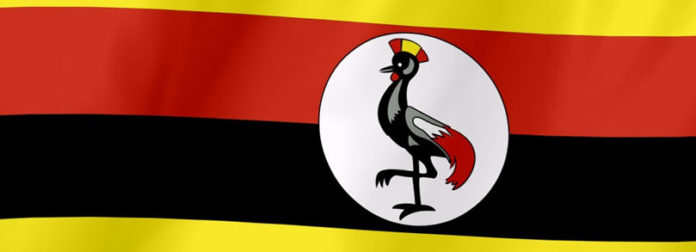
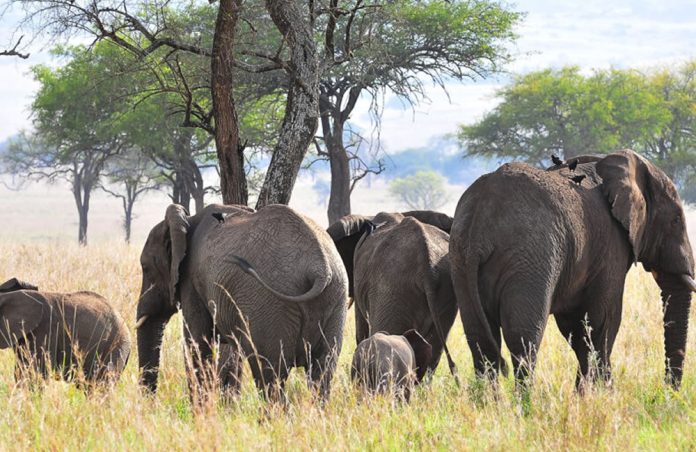
Birding in Uganda is amazing whether you’re on safari, cruising round the national parks, hiking Rwenzori Mountain or sunning yourself by the lakes, you won’t be far from bird watching opportunities. Many birders come for the endemics, those species found in Uganda and nowhere else. The grey crowned crane (Uganda’s national bird), green breasted pitta, shoe bill and martial eagle are among those endemics. If you’re in Queen Elizabeth National Park, look out not only for the Big Four, but also birds: the Martial Eagle, Black-rumped Buttonquail, African Skimmer, Chapin’s Flycatcher, Pinkbacked Pelican, African Broadbill, Verreaux’s Eagle Owl, Black Bee-eater, White-tailed Lark, White-winged Warbler, Papyrus Gonolek, Papyrus Canary, Corncrake, Lesser and Greater Flamingo, Shoebill, Bar-tailed Godwit and watch the oxpeckers busily hoovering up ticks and insects from the hides of antelope, buffalo and elephants.

There are some great birding routes all over Uganda and some take just a few hours, others a day or more. Get in touch with one of our many thriving birders for local information on the best routes and times to visit. Birding in Uganda can be a lark literally and metaphorically. So keep your eyes open. Go on an afternoon bird watching hike or if that doesn’t take your fancy, take twilight or dusk drive. Crown your day with a lovely meal and sundowners at your luxurious camp, recalling your day’s encounters and sightings of Uganda’s exquisite bird world.

Adventure Safaris in Uganda
Uganda is the ultimate destination for the action-seeking traveller. A country blessed with rugged terrains, imposing mountain ranges and stunning scenery has become a more sought-after holiday spot in recent years. However you define adventure, it’s possible in Uganda. If you are ready for excitement and adventure under a starry African sky, this is the place for you and your family. We can conjure up your wildest expectation and more: Safaris and game parks are a necessity to visit as all of the Big Five on display seeing, diving on bungee jumping, death defying adventure sports like rafting, kayaking or discovering the humanity and generosity of other cultures. Name your adventure we’ll make it happen. Water based sports and mountain hiking are common in Uganda and visitors to these national treasures will be blown away by their intricate designs and abundant wildlife on offer.

Theme parks
Let the good times roll! Go to prominent fun and amazing wonder world Kansanga for all circus related games and adventure, play like a Queen in garden city; test your water prowess at freedom City. Our fun-packed theme parks across the city will keep the smile on your face for days.

Shopping in Uganda
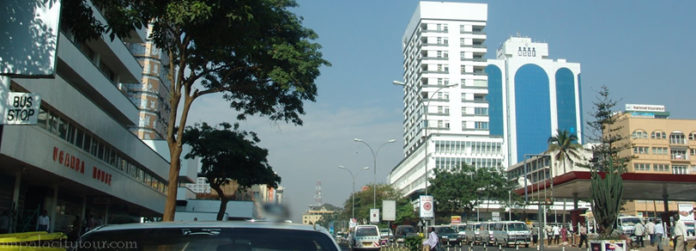
From jammed but fascinating markets filled with collectable handicrafts, to glitzy malls in our big city with the latest must have name brands, more so because our favorable exchange rate makes your retail therapy last longer too. Uganda’s shopping centers provide world-class shopping, plenty of entertainment, the latest movies and delicious food in conveniently situated and safe surroundings.

Whether you are looking for something specific, have time on your hands to browse around or just love to shop, the boutiques, chain stores and specialist shops in the country’s malls have it all. The quality, cost and variety of goods on offer along with the safe, sophisticated environment provided by Uganda’s shopping centers should not take visiting international holidaymakers and business people by surprise. Uganda’s malls are famous for their excellent shopping and entertainment facilities.

When you leave the country after your holiday or business trip, you will lament the baggage restrictions of the international airlines and wish that you could take more of Uganda home with you! Vacationers can choose from dining and enjoying a drink at local or hotel bars and restaurants, seeing a movie at the cinema, attending a theatrical production at the cultural centre or gambling at one of the two casinos in town. Some bars host live music sessions at weekends. Uganda is known for their woodcarvings, handcrafted jewellery, textiles and attractive basketry – all make a memorable souvenir of your trip.

Beaches in Uganda
We have thousands of miles of glorious shores, with beach gems dotted along its length. Whether you’re a trendy sun worshipper, a water sports fanatic, a beach comber or a family seeking sea and fun Uganda’s got a beach that’s perfect for you.

Nightlife in Kampala
From a night of fine dining to raucous all-night party in Kampala city Ugandans love to have a good time. Let your hair down and live it up in our clubs, pubs, late-night bars, theatres and live music venues. You won’t just find the best wildlife in our game parks…come on, the party’s starting! Experience a sundowner. Sip a cool drink and enjoy a glorious sunset at the end of a satisfying afternoon game drive. In the tourist towns of Kampala, there are a handful of restaurants, cinema and a clutch of places to grab a cold beer with fellow travelers and the friendly locals.

Casinos in Uganda
Bet on having a good time around Uganda. From our most famous Kampala casino for high-rollers to family entertainment venues– we’ve myriad casinos where you can take chance with Lady Luck. Ugandan casinos, including several large entertainment complexes, can be found countrywide. These entertainment destinations are typically designed around a specific theme and include a large range of activities for the whole family. Many are also geared towards business tourism, providing hotels and conferencing facilities as well. Uganda’s casinos can be found on the fringes of most major centers. The emphasis is on being a one-stop leisure destination, with access to both indoor and outdoor entertainment. In Uganda, casinos are designed around a specific theme, offering a vision of life somewhat different from the run of the mill expectation of Africa. Nor are they typical casinos, most offering entertainment that goes beyond the usual slots and gaming tables. Among the most popular casinos in Uganda is the famed Kampala casino, in the city centre. Garden city is as famous for its golf course, game drives and outdoor activities as it is for gambling.

Walking Safaris
Guided walking safaris are typically a 3 to 4 hour activity in Queen Elizabeth, Lake Mburo and Kibale national park. This type of safari provides a different, and highly recommended, perspective by moving slowly over the ground.
Horseback riding – Lake Mburo national park is one of fewest parks that offer horseback riding in safari Uganda, but for the adventurous this is an experience not to be missed.

Uganda is a land of immense natural beauty with diverse terrain and landscapes of which Lake Mburo national park with a lush emerald paradise of swamps and Precambrian metamorphic rocks, rich savannah grasslands is undoubtedly living proof of. On horseback you can truly absorb the magnificence of park like unique spectrum of ecosystems that supports an unbelievable variety of bird, plant and wildlife waiting to be discovered.

Venture further into the park and get much closer to the abounding wildlife. Encounter exciting moments along the game trails as your horseback safari ride brings you upon great herds of buffalo, zebra, elands and other antelopes. Be assured that this activity is a magical and humbling experience that will touch your soul and remain in your heart for an eternity.

Spot fishing
Go fishing in Nile River and in Lake Victoria to explore a world of untouched, mystical beauty. Take advantage of some of the other activities on offer such as gliding along the scenic waterways of the Nile and Victoria on a dug-out canoe. For game fisherman, the Nile River teems with Nile perch one of the biggest fish species in Uganda. Catch your biggest one yet and be amazed at the size that the fish grow to in these areas. Houseboats offer 360 degrees of lush greenery filled with the music of chirping birds and beautiful waterways and absolutely luxurious living conditions. Glide through the Nile and Lake Victoria fringes to find fish-rich water

Accommodation in Uganda
Uganda has a wide range of hotels; safari lodges, apartments, guesthouses in all the different districts with in the country. The distributed of hotels in Uganda is good – every district has luxury, midrange and budget hotels and are suitable for all kinds of travelers

Uganda Cultures & Tribes

0
Cultural Tourism

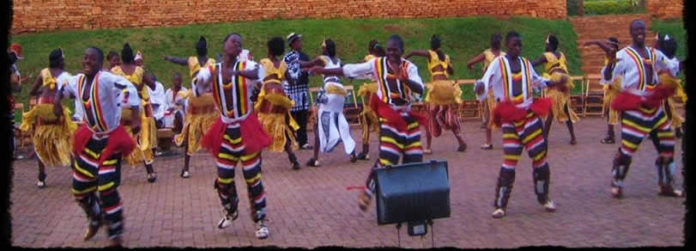
Uganda is home to many tribes that speak different languages. Uganda has 56 tribes and about nine indigenous communities that formally came to be recognized in the 1995 constitution amendment of 2005. English is the official language of Uganda. Luganda and Swahili also widely spoken in most parts of the country.

With the increasing Asian population, most Asian languages are spoken, there is also French, Arabic and Germany mainly in institutions where they are taught and at embassies. The following were the indigenous communities in Uganda as at 1st February, 1926 and how they appear in the 1995 constitution:

1. Acholi
2. Alur
3. Baamba
4. Babukusu
5. Babwisi
6. Bafumbira
7. Baganda
8. Bagisu
9. Bagungu
10. Bagwe
11. Bagwere
12. Bahehe
13. Bahororo
14. Bakenyi
15. Bakiga
16. Bakonzo
17. Banyabindi
18. Banyankore
19. Banyara
20. Banyarwanda
21. Banyole
22. Banyoro
23. Baruli
24. Basamia
25. Basoga
26. Basongora
27. Batagwenda
28. Batoro
29. Batuku
30. Batwa
31. Chope
32. Dodoth
33. Ethur
34. Ik (Teuso)
35. Iteso
36. Jie
37. Jonam
38. Jopadhola
39. Kakwa
40. Karimojong
41. Kebu (Okebu)
42. Kuku
43. Kumam
44. Langi
45. Lendu
46. Lugbara
47. Madi
48. Mening
49. Mvuba
50. Napore
51. Nubi
52. Nyangia
53. Pokot
54. Sabiny
55. So (Tepeth)
56. Vonoma
The Constitution (amendment) Act 2005 added Aliba, Aringa, Banyabutumbi, Banyaruguru, Barundi, Gimara, Ngikutio, Reli and Shana as indigenous communities of Uganda.

The Ik Culture – Beehives for Bride Price

The Ik is an endangered ethnic group in Africa believed to have originated from the Nile delta region during the decline of the Egyptian empire. Today there are about 11.217(Population survey 2011) Ik people living next to Kalimajong and Turkana people in the north eastern Uganda Mountains near the Kenyan boarder.

The Ik people are substance farmers whose language belongs to the highly divergent Kuliak sub-group of Nilo-Saharan languages. They kept cattle and they were regularly raided by its neighbors. Due to constant raids, Ik left cattle keeping with the idea of staying in peace with the surrounding communities.

They stay in some twenty small villages along the escarpment between Timu forest in the north and Kidepo valley national park. Surrounded by outer walls, Ik are divided into small families “neighborhoods”. The main activity of the Ik people were hunting and gathering fruits not until 1960s when their land was declared a national park. They went to the mountains and started cultivation, hunting and beekeeping.

Ik are said to have been the first people to migrate to the north eastern part of Uganda and they say that the word Ik means “the first one to migrate”. Children are expelled from households at the age of three to form their own groups and to have their own resources like food however this is done in order to survive as they were struck by two strong droughts that caused severe famine and other epidemics. These groups are formed to protect themselves from older children who would take their food.

This cultural heritage is very rich and waiting to be explored so spending a day with the Ik people together with its magnificent scenery of Morungole Mountain Kaabong district is simply dazzling. Surprisingly, the Ik people pay 5 to 10 bee hives as bride price instead of cattle. Other cultural habits like marriage and everyday life of these people are really resourceful.

Depending on the number of beehives a man can marry as many wives as he wants. A respectable man owns as many as 50 beehives. Their honey is thick and natural and five liters cost around 20.000/=. The first wife is the most respected among other wives and inheritance is done after divorce.

The access to this place was not easy at all but thanks to US forest service that marked a trail to the Ik villages that has made access much easier however you have to be physically fit due to the ragged nature of mount Murongole which is at 2,749metres above the sea level. Ik are not all that educated apart from one lady at Kampala University who is to be the first graduate of the Ik. Apart from education, Tourism adds a little more income and value to the Ik community.

Hiking up to the Ik villages would be one of the supreme opportunities and experience that is very interesting and a great opportunity if added to your Uganda tour itinerary. As you are guided within the Ik villages, ask these people questions about their lifestyle, leadership and how they raise their children.

Enjoy their way of living, discover from them and you can as well enjoy their local beer with them to experience the flavor. This is a one-day Uganda safari trip that requires advance preparation and incorporation into the safari itinerary such that you can have a separate day off your Kidepo trip to visit the marginalised and endangered people.

Culture, in addition to other aspects like gorilla trekking and wildlife experiences is an important tourist attraction in Uganda. Many visitors often spare time before or after their wildlife encounters and visit a few cultural communities in the country to learn more about them and get entertained as well.

Uganda Gorilla Tourism Booming

0
Bwindi Mountain Gorilla

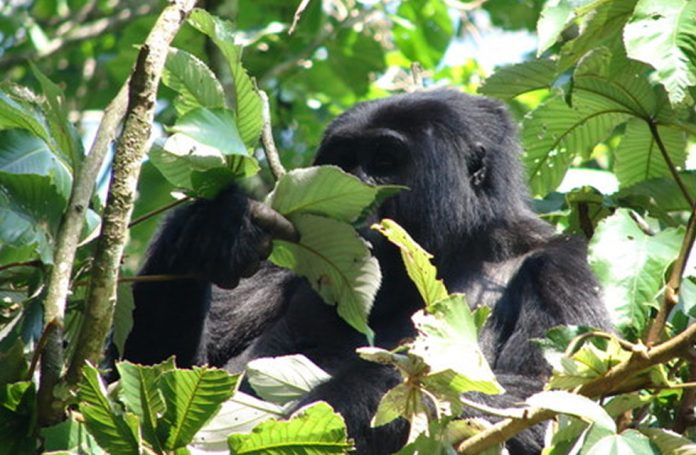
Gorilla eco-tourism was introduced in Bwindi in order to conserve and protect this endangered species of the great apes and to generate revenue for the government and the local people.

Since then Uganda has been recommending six visitors per group to enhance tourism rules and regulations that guide gorilla tourism mainly based on reducing the risk of disease transmission to the gorillas whilst protecting the apes for sustainability.

All along Uganda Wildlife Authority had been monitoring and evaluating the impact of taking 6 visitors per group and their have been no records of detrimental nature.

On the other hand, no negative impact has been reported. It’s on this note therefore that Uganda decided to increase the number of people visiting the gorillas to eight excluding guides from 4 to 2 that again is sufficient.

For more information please contact your tour operator / travel planner.

Is Gorilla Trekking Worth The Hype

0
Africa Gorilla

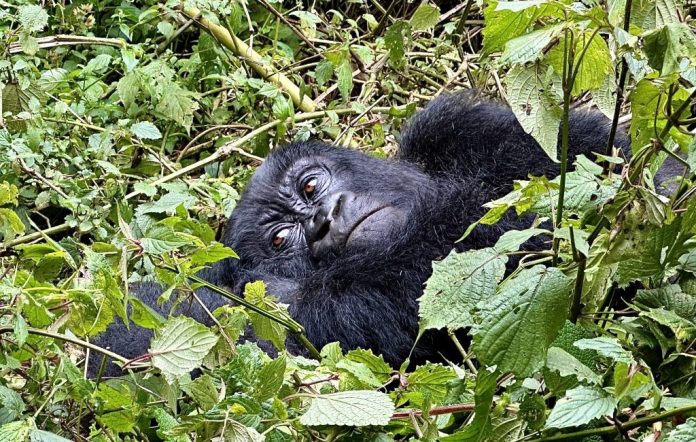
For most travelers, trekking the Gorillas ranks among one of the absolute highlights of a trip to Uganda, and the spine-tingling feeling that you get being so near to one of our closest relatives is hard to describe.

Mountain Gorillas are one of the world’s most endangered apes and it is estimated that there are about 1060 (approximately) left throughout the world. Almost half of these can be found in Uganda, as well as populations in Rwanda and the Democratic Republic of Congo. These great apes live in two national parks; Bwindi Impenetrable National Park and Mgahinga National Park.

Of the two national parks, Bwindi is the most popular destination attracting visitors all year round. Bwindi is home to half the world’s surviving population Mountain Gorillas being part of an important scientific conservation programme. The Park is located in south western Uganda, covering parts of Rukungiri, Kisoro, and Kabale Districts in an altitude range of 1,160m and 2,607m asl.

According to The Ugandan Wildlife Authority, there is a 95% chance that you will come across the Gorillas on your trek. Your journey will be an exhilarating one: cutting your way through dense jungle, thick bamboo, past local homesteads and up forested hills… Tracking times do vary and can be anything from a little as 30 minutes to 7 hours! But your efforts will be rewarded with your first sighting of the Gorillas, as these gentle giants shyly approach you and you come face-to-face with one of nature’s greatest animals.

Mountain gorillas are among our closest relatives, sharing approximately 98% of our DNA. Observing their behaviours offers a unique perspective on the profound connection between humans and these majestic primates.

Gorilla trekking plays a critical role in conservation. Revenue generated from permits and related tourism activities directly supports the protection of gorilla habitats, anti-poaching initiatives, and community development. For many, this is a significant way to preserve one of the world’s most endangered species while supporting the livelihoods of local communities that coexist with the gorillas.

It is essential to note that gorilla trekking requires physical and mental preparation. The treks can range from easy walks to challenging hikes, depending on the location of the gorilla families on the day of your visit. In the upcoming sections, we provide detailed insights on planning, preparation, and maximising your experience.

Imagine Using a Smartcard to Visit Uganda National Parks

0
Uganda Wildlife Safari

KAMPALA – Visits to any of the ten Uganda national parks will soon be easier. The Uganda Wildlife Authority (UWA) is putting the final touches on the introduction of a cashless smart card based on chip technology, aimed at maximizing revenue collection and improving cash flow as a result of prepaid loading of funds on it.

As a first step, gorilla and chimpanzee tracking permit details will be loaded on the available cards, and then used at Bwindi, Murchison Falls, and Kibale national park, in addition to which they will be accepted at Lake Mburo and Queen Elizabeth national parks. The remaining five other parks like Rwenzori, Mt. Elgon, Mgahinga, Kidepo Valley, and Semliki will be added in due course once the technology has been installed at the various park entrance gates and offices of those parks.

Unlike in other neighboring countries, where the point of sale is centralized and often inconveniences potential visitors for having to set aside extra time to get an electronic card, UWA intends to have several points of sale beyond the national park headquarters in Kampala, namely at park entrance gates where re-usable temporary cards can be purchased while from the headquarters in Kampala personalized permanent cards can be obtained for regular visitors to the parks, be it Ugandans or foreign residents.

UWA has also benefitted from two donated motorcycles, to be used for mobile patrols by game wardens across the park. One of the winners of the motor bike, one Piet de Jong, spontaneously donated the motorbike to UWA when he was given the surprise prize from Toyota Uganda, the agents of Yamaha in the country, while the second bike was, as a result of this gesture, donated by the SAB Miller which had a team participate in the event.

For information on Wildlife smart card, please visit www.ugandawildlife.org.

Uganda Ranked Best Destination 2012 by Lonely Planet

0
Uganda Tourism

Uganda has been ranked by Lonely Planet as the world’s most preferred tourism destination for the year 2012. Lonely Planet is the world’s largest Travel Guide Book and Digital Media Publisher. Uganda emerged number one out of 10 other countries surveyed, followed by Myanmar (Burma), Ukraine, Denmark, Bhutan, Cuba, New Caledonia, Taiwan and Switzerland.

Considering the country’s variance in the tourism products, it is little wonder that it was ranked the world’s most preferred. The ranking comes at a time when Uganda is focused on intensifying marketing and promotion of the country both domestically and internationally.

The Lonely Planet singles out Uganda as the place where Savannah meets the vast East African lakes and where snow-capped mountains bear down on sprawling jungles, but there is more to this Pearl of Africa. Apart from being home to half to the world’s surviving mountain gorillas, Uganda is also blessed with half of Africa’s bird species, waterfalls, hot springs, forests, national parks and unique climate among others.

Uganda’s history is very rich with UNESCO world heritage sites including Nyero rock paintings, Kasubi tombs (currently being reconstructed after the 2010 inferno), Bwindi Impenetrable National Park and the newly discovered home of early man in Karamoja.

Rwenzori Centenary Celebrations

0
Mount Rwenzori

The government of Uganda in partnership with the Italian government is preparing for the centenary since the ascent of Mount. Rwenzori in 1906 by the then Italian
Duke Luigi da Savoia of Abruzzi.

A back ground to the Rwenzori Mountains is revealed in the writings of Ptolemy in AD 160 who wrote of these ‘Mountains of the Moon’ as the source of the river Nile. The mystery was finally solved centuries later with the expedition of the duke who carried out a complete topographical, survey of the 5109m snow capped mountains.

The geographical, astronomical, geodetical and meteorological findings of the mountains are contained in two bulky appendices in the official volume of the
expedition, Il Ruwenzori: Viaggio di esplorazione prime ascesioni (Hopepli, Milano 1908).

As we prepare for the centenary, the Italian Embassy in Uganda together with stake holders like Uganda Tourist Board, Mountain Clubs of Uganda, Uganda Wildlife Authority e.t.c have planned a series of activities including Art and anthropological exhibitions, travel exhibitions, scientific conferences, Winter Olympics, BIT Milan tourism Borse from 18th-21st Feb, 2006, the highlight being an expedition code named in the ‘Footsteps of the Duke’ in which a delegation from the region of Piedmont led by the descendants of the duke are expected for the celebrations, culminating with the climb on 18th June 2006 exactly a century later.

For more details on the centenary celebrations visit our event website on: www.rwenzoriabruzzi.com

Brand Uganda – Tourism Campaign with CNN

0

The Ugandan Government has signed a one million dollar deal with CNN International for a media campaign to brand and market the country on its network over the next six months (From 8th October 2005 to March 2006)

The initiative, which President Yoweri Kaguta Museveni launched at Speke Resort Munyonyo on the 8th of October 2005, was put together by various partners in the “BRAND UGANDA CAMPAIGN that is projected to triple the country’s tourism returns by 2010.

The first commercials were beamed across the world on CNN on September fifteenth. As part of the deal, Uganda is now the sponsor of the 30 minute INSIDE AFRICA programme aired on CNN.

Uganda is now a new product on offer for global consumer as it goes by the brand identity GIFTED BY NATURE which sums up the country’s attraction in eco tourism, weather, heritage, and culture, strengthening the competitiveness of private enterprises. This will turn around the country’s economy by attracting more tourism traffic.

According to researchers, tourism has taken over from coffee as Uganda’s top foreign exchange earner over the past two years. Uganda earned 109 million dollars from coffee exports last year as compared with earnings from tourism which now stand at 250 million dollars per annum.

The CNN team that attended the Kampala launch of Uganda’s campaign, led by the assistant representative of CNN President and INSIDE AFRICA anchor Femi Oke said the promotion would succeed because over one billion people watch CNN across the globe. For more information visit our web site at www.ugandagiftedbynature.org

Latest article

Zika Forest in Uganda

Zika Forest is a small tropical forest located near Entebbe in Wakiso District close to the shores of Lake Victoria. The protected area is...
chimpanzee civil war

Researchers discover a vicious civil war among chimpanzees in Uganda

The ongoing Chimpanzee civil war in Uganda’s Kibale forest national park involves two rival groups fighting each other. This has been attributed to navigating...
canopy walk

The Canopy Walk in Sebitoli tourism sector

The canopy walk in the Sebitoli sector of Kibale National Park is a tourism project that aims to give visitors a different way of...
kidepo valley national park

Rhinos back in Kidepo Valley National Park

The return of rhinos to Kidepo Valley National Park marks an important step in Uganda’s wildlife conservation efforts. For more than four decades rhinos...

Packing tips for road trip in Uganda 

A well packed bag can make your road trip smoother, safer, and more enjoyable. Whether you are heading to a safari park, a countryside...

Road safety tips in Uganda

Road safety is very important when traveling by car, especially for tourists and self-drive travelers exploring urban, rural, or safari destinations. Following road safety...

Self-drive tips in Uganda

Self-driving in Uganda is a great way for tourists to explore wildlife parks, cultural destinations, cities, and scenic landscapes independently without chauffeur services. However,...

Best cars for safari travels

Safari travel requires vehicles that can handle rough terrain, long distances, and changing road conditions while keeping passengers comfortable and safe. Choosing the right...
Kidepo Valley National Park

Kidepo Valley National Park ranked among Africa’s top safari parks

Kidepo Valley National Park, located in north eastern Uganda in the Karamoja sub-region has once again been recognized as one of Africa’s top safari...

Echuya Forest National Park

Echuya Forest Reserve recently designated as Echuya National Park is a high- altitude forest located in the south western Uganda. The protected area is...