Home Blog Page 10

Malaria Parasite Can Now Resist Main Line of Treatment: A New Study in Uganda Reveals

0
malaria in Uganda

Uganda located in East Africa along the equator is one of the safe countries to travel to especially for gorilla tours. Among the safety tips for travel to Uganda is to avoid malaria, the leading cause of death accounting for over 27% of lives in the country according to Uganda National Malaria Control Program. Other causes of death in Uganda according to Center for Diseases Control (CDC) Global Burden of Diseases (GBD) include neonatal disorders, HIV/AIDS, lower respiratory infections, tuberculosis diarrhea diseases, road injuries etc.

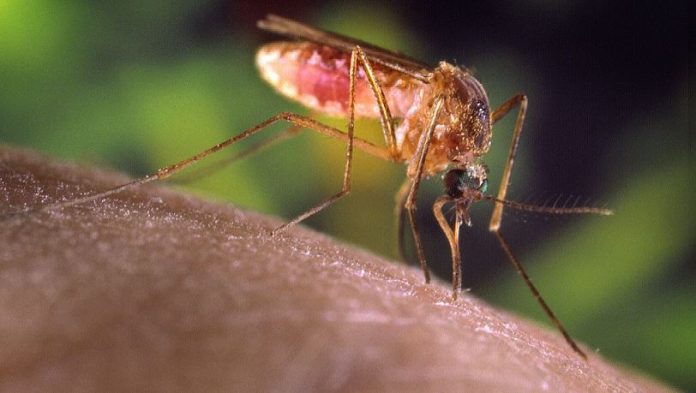
The risk of malaria on Uganda safari should not scare you. There are ways to prevent and control the killer disease, however, a new study in Uganda revealed that the parasite causing malaria (Plasmodium falciparum) has developed resistance to the primary drug used to treat the disease.

The most used and effective anti-malarial drugs available include Artemisinin-based Combination Therapies (ACT). The key objective of this treatment is to ensure full treatment of Plasmodium parasites from a patient’s blood stream which prevents the disease from getting severe.

The risk of malaria transmission is very high in parts of northern Uganda where a study was conducted in Gulu district between 2015 and 2019 at St. Mary’s Hospital Lacor. Results from the study published in the New England Journal of Medicine September 23, 2021 suggest that there’s high risk of malaria spreading across the East African region. Given that the drugs are losing ability creating conditions where malaria parasite can now resist main line of treatment.

Health authorities in East African Community (EAC) are now concerned to find strategies to combat the high spread of malaria that could put at risk the lives of the region’s 177 million people.

Malaria is so common in Africa according to World Health Organization (WHO), the continent accounts for 90% of malaria cases worldwide. This is due to a number of factors including a very efficient mosquito parasites called Anopheles gambiae complex which is drug resistant and responsible for high transmission.

Rwanda for instance, which is located in Virunga Mountains between East and Central Africa has reported cases of drug-resistant strains of malaria in the remote Southern Province around Nyungwe Forest National Park, where travelers go for chimpanzee trekking and canopy walk.

According to the study findings, some of the measures to treat malaria effectively include use of different Artemisinin-based Combination Therapies (ACTs) and additional partner drugs to treat patients with malaria. ACT’s have been adopted by World Health Organization as the best combination therapy used against malaria and are widely available in Uganda where the End Malaria campaign is helping more than 13 million citizens in 43 districts to stay safe from malaria.

Researchers during the two year study in northern Uganda looked at 240 blood samples. Among the participants who were given artemisinin therapy (ACT), 14 took more than five hours to get rid of malaria casing parasites. But, according to World Health Organization (WHO) standards, the therapy should take at least two hours after treatment to remove the parasite from the patient’s body.

Uganda Travel Safety Tips

  • First of all, purchase travel insurance before visiting Uganda.
  • No anti-malaria drugs can cure or prevent the disease 100%. No matter the time of the year you want to visit Uganda, bring protective gears. Your packing list should include mosquito repellant, long sleeved pants especially when going for gorilla trekking in Bwindi Impenetrable Forest National Park.
  • Sleep under a mosquito net.
  • Avoid reckless driving and stay safe on the road. Because Uganda has a high rate of road traffic accidents especially along the western circuit. Recommended driving speed within Uganda national parks is 40km/hour. Do not exceed because you pay a fine of $500 for animal accident.
  • Uganda Police Emergency contact 999 or 122

Gorilla Tourism in Covid-19 Times

0
  • Global protocols for tourism
  • Adventure activities, for example gorilla trekking
  • How covid-19 threatens the survival of gorillas
  • Gorilla trekking rules and regulations
  • Taking selfies with gorillas amidst covid-19
  • New gorilla tourism rules

How Covid-19 has crippled tourism in Africa

The outbreak of covid-19 and the subsequent global pandemic has largely affected the global economy with many people losing their lives and businesses shutting down.

Travel to Africa for safari in particular has faced a lot of restriction besides other long-haul travel markets and destinations. This led to loss of tourism revenue for governments, loss of jobs and income to those employed in the sector while a lot of businesses have also closed down.

With the urgency to contain the spread of the first and second waves of corona virus, destinations enforced lockdowns. However, with the rolling out of covid-19 global vaccination process, travel to Africa is slowly opening up following the release of protocols and guidelines for adventure travel and tourism by World Travel and Tourism Council (WTTC) together with World Health Organization.

Therefore, for tourism to restart, destinations are implementing standard operating procedures (SOPS) such as washing hands with soap, sanitizing and putting on face masks. Fully vaccinated travelers must adhere to these procedures. Once at a destination, a visitor is subjected to mandatory verification, testing and screening.

Thus for anyone wishing to visit any destination in Africa, it is advisable to keep updated on latest developments on covid 19 rules as they keep changing over time. Gorilla trekking is one of the major concerns of the conservationists since the gorillas are highly vulnerable to this pandemic.

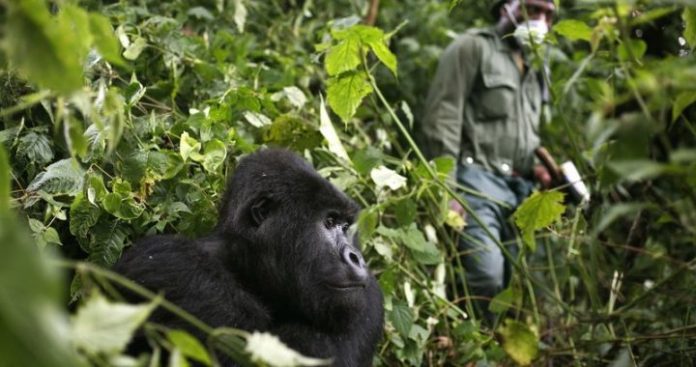
Recent research and information available shows that gorilla trekking if not regulated puts the health of mountain gorillas at risk of contracting covid-19 because gorillas share about 98% of their DNA with humans.

Since the start of gorilla tourism in the early 1970’s, conservation history shows that gorillas can suffer and die from respiratory infections including covid-19 among others. For instance, between 2002 and 2003, about 5,500 Western lowland gorillas in DR Congo, at the Lossi Sanctuary, died of Ebola virus (according to CGTN).

As a result, gorilla rules and regulations were put in place to minimize human disturbance and the risk of transmitting diseases to gorillas. That’s why the gorilla doctors scheme was established in order to carry out disease intervention and curing of gorillas that get sick and injured.

You need to know about the gorilla trekking rules and be a responsible visitor.

Gorilla trekking rules

  • You are not allowed to visit gorillas when sick
  • You must wash your hands before going to visit the gorillas

When with the gorillas

  • Do not eat or drink when with gorillas
  • You must keep a distance of 7 meters when with the gorillas
  • Do not use flash photography when taking pictures of gorillas.
  • You are not allowed to touch the gorillas.

Despite these rules, there have been incidences of visitors inconveniencing gorillas as the new study recently published in the British ecological journal “People and Nature” journal and Oxford Brooke University reveals. The study was carried out using Instagram posts that featured 855 gorilla selfies and photos taken between 2013 to 2019. And the results from the paper titled “keep your distance: using instagram posts to evaluate the risk of anthroponotic diseases transmission in gorilla ecotourism shows that tourists were close enough to gorillas than the recommended distance without face masks which could possibly transmit diseases.

New Gorilla Trekking Rules

“Keep your distance and wear your face masks when visiting gorillas” the study warned.

Therefore, gorilla rules have been reviewed limiting tourists from taking selfies with gorillas. This however, does not interfere visitors from getting up close and personal with gorillas. Visitors during gorilla trek can look into the eyes of the mountain gorillas.  

In order to allow for seamless and safe gorilla trekking experience amidst Covid-19, tourists must now put on their face masks. Whether you want to visit gorillas in Uganda, Rwanda or DR Congo.

Uganda Travel Guidelines Amidst COVID-19 Restrictions

0
travelling to uganda amidst Covid-19

Important travel information to guide visitors and tourists to Uganda amidst Coronavirus-control measures

In June, the government of Uganda announced a partial lockdown and travel restrictions under new measures to fight the second wave of Covid-19 which started in late May. Under the new circumstances, the government also issued new travel measures to guide travellers coming and departing Uganda.

The government of Uganda established categories for countries in relation to the order of their rate of Covid-19 infections. Countries in category 1 were considered to have the highest rates of Covid-19 infections at the time the list was compiled. India is the only country in category 1. Countries in category 2 include USA, UK, UAE, Turkey, South Africa, Ethiopia, South Sudan, Kenya, and Tanzania.

Incoming Travellers

  • According to the Ministry of Internal Affairs, Uganda grants entry to only travellers with approved visas having applied online. Those who want to apply for a Ugandan visa can do so here. Uganda does not allow entry of travellers from category 1 countries (India).
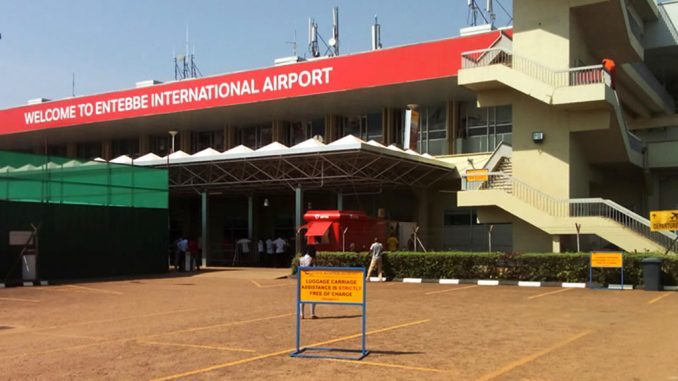
  • Travellers from category 2 countries are subjected to a PCR Covid-19 test at their own cost ($65) at all arrival points including Entebbe International Airport. However, fully vaccinated and asymptomatic travellers from category 2 countries who have proof of their vaccination status are exempted from the PCR test at arrival.
  • All In-bound travellers are subjected to temperature and health screening upon arrival at Entebbe International Airport and other entry points.
  • Travellers who exhibit signs or symptoms of an infectious disease will be transported to an isolation center and tested for a COVID-19 and must remain, at their own cost, until the results of the test are received. Those who test positive will be taken to a Ministry of Health facility for treatment or given the option to be repatriated (for foreigners), at their own cost.
  • Upon arrival, travellers are transported to a holding area near the airport where they are tested and wait for their results. Travellers also have an option to check in at another designated hotel to wait for their test results at their own cost.
  • Travellers who test positive for Covid-19 are evacuated by the Ministry of Health and taken to a designated Covid-19 isolation facility for treatment at their own expense. Children who test positive of Covid-19 are also be evacuated to the designated isolation Covid-19 facility with their parent or guardian.
  • All travellers coming to Uganda must have a negative PCR Covid-19 test taken within 72 hours before departing for Uganda regardless of their vaccination status.
  • Children below 3 years are not required to have a negative PCR test certificate provided they are accompanied by parents or guardians who have a negative PCR test certificate.
  • Only Ugandans with a Ugandan passport returning from India are currently allowed into the country. Uganda has blocked entry of any traveller who was present in or travelled through India in the 14 days preceding their arrival in Uganda.
  • All travellers must have negative Covid-19 results obtained from a certified PCR Covid-19 test taken no more than 72 hours before departure for Uganda. Airlines making flights to Uganda are encouraged to receive Covid-19 test results from travellers before confirming their flight bookings.

Departing Travellers

All departing passengers from Uganda are required to present a negative PCR Covid-19 test taken not more than 72 hours before departure. This is a mandatory requirements for all passengers departing Uganda regardless of the requirements of the destination country.

Departing travellers are encouraged to take their Covid-19 tests from accredited laboratories or at Covid-19 sample collection points approved by the Ministry of Health.

Out-bound travellers are also encouraged to review and comply with testing requirements for transit and destination countries.

Uganda’s Covid-19 vaccination status

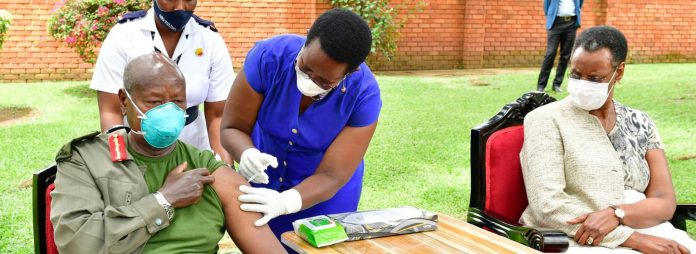
According to the Ministry of Health, Uganda has so far recorded 119,915 cases of Covid, out of these, 95, 578 have recovered while 3,012 have died. 1,579,638 people have been tested for Covid-19 so far, 1.3 million people have at least received one dose of the Covid-19 vaccine and out of these, 242,000 have been fully vaccinated. The vaccination process is progressing well in Uganda and the country has acquired more doses to speed up the exercise. Covid-19 vaccines available in Uganda include AstraZeneca and Sinovac and the government is trying to acquire more vaccines including Pfizer. Updates to COVID protocols announced by the Government of Uganda on July 30 include:

COVID protocols announced by the Government of Uganda on July 30 include:

  • Public transport may operate at 50% capacity.
  • Private transport may move across districts with a maximum of 3 occupants, including the driver. Tourist vehicles can continue to move under SOPs.
  • Places of worship, gyms, saunas, indoor sports, pool halls, casinos, bars, discos, sports betting, and cinemas remain closed. Outdoor sports are allowed under SOPs and without spectators.
  • Salons, restaurants, malls, and arcades may open under SOPs.
  • Schools remain closed until a sufficient number of children aged 12 to 18 are vaccinated.
  • Social gatherings (including burials and weddings) must be restricted to core family only and have no more than 20 persons in attendance provided masks are worn and social distancing of two meters is followed. 
  • A curfew of 7:00 p.m.-5:30 a.m. is in place. Motorcycle taxi (boda-boda) drivers must cease their movements by 6:00 p.m. and may carry cargo or one passenger only. Passengers traveling on flights will be allowed to travel to the airport upon presentation of a valid ticket.
  • Workplaces should ensure that not more than 30 percent of staff in formal sectors – works from the office at any one time.
  • Conferences, workshops, and seminars are prohibited except with explicit permission from the Ministry of Health and related Government of Uganda Ministries and Departments.
  • The Kampala Capital City Authority has established a 24-hour Metro Emergency Medical Service Call Center: 0800-990-000; 0792-310-927.
  • Emergency numbers issued by the Ministry of Health for Covid-19 related cases include (+256) 0800 203 033, 0800-100-066, or 0800-303-033, all Toll free.

What to do and see in Uganda

what to do and see in uganda
Gorilla trekking in Bwindi Impenetrable National Park

Uganda, famously known as The Pearl of Africa, is one the best tourist destinations in Africa. The country is richly endowed with natural beauty of beautiful scenery composed of glamorous lakes, rivers, mountains and valleys as well as stunning forests.

For wildlife lovers, Uganda poses a variety of amazing wildlife species protected in over 10 national parks across the country. These include the primates like the endangered mountain gorillas in Bwindi Impenetrable and Mgahinga Gorilla National Park, chimpanzees, golden monkeys, baboons, among others. A variety of game species including lion, leopard, elephant, buffalo, rhino, zebra, giraffe, antelopes, among others are commonly available in the country’s savannah parks like Murchison Falls, Queen Elizabeth, Kidepo Valley, and Lake Mburo national parks. Other popular tourist activities in Uganda include bird-viewing, mountain climbing at the Rwenzori, nature walks as well as cultural and historical tours.

UNEB Releases 2020 UACE Results

0
2020 UACE results

Uganda National Examinations Board (UNEB) has released the 2020 results of Uganda Advanced Certificate of Education (UACE) with female candidates outshining their male counterparts this time round.

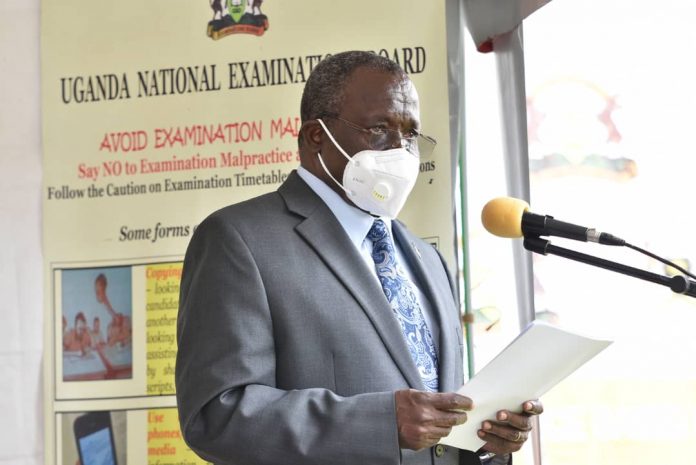
During the release of the results on Friday, UNEB Executive Secretary Mr Daniel Odongo mentioned that although female candidates were fewer, they managed to perform better than their male counterpart.

“The percentage passes at the upper levels (3P and 2P) are higher while percentage passes at lower levels and failure rate among female candidates are lower than for the males,” Odongo said.

Individual subject results show that boys performed better than girls in Chemistry, Biology, Agriculture, Art and General paper while girls were better in Arts subjects as well as Mathematics and Physics. There was a general improvement in last year’s performance compared to 2019 according to Mr. Odongo.

“An analysis of the overall candidates’ performance in the examination shows that a very high percentage of candidates (99.2%) qualified for the award of the UACE, more than the 98.6% of 2019. There is better overall performance than that of 2019,” he said.

However, there was a decline in the total number of candidates who registered for last year’s exams compared to those of 2019 as well as a decline in the number of examination centres.

Only 98,392 candidates registered for 2020 exams from 1,952 centres compared to 104,476 candidates from 2,094 centres in 2019, indicating a decline of 6,084 candidates.

The actual number of candidates who wrote the exams was 97,084 of which 41,190 were girls.

26,602 candidates passed with a minimum of 2 principle passes, 19,015 got one principle pass while 9,616 passed one subsidiary subject. Candidates who failed completely without a single point were 796 decreasing from 1,433 who failed in 2019.

According Mr Odongo, only 68,013 (69.8%) of candidates qualify to join University having attained a minimum of the two principle passes as required by higher institutions of learning. However, 99.2% will qualify for the award of the UACE certificate.

What causes endless land wrangles in Uganda

0
land problems in uganda

In Uganda, land is considered as the biggest asset one can ever own in their lifetime. Buying land is always the main target for everyone working including young people just beginning their career. Owning land in Uganda is considered as a key determinant in making wealth and the common formular followed is, make money, buy land and build a house.

This high demand has caused the scramble among the population to own land which has led to very many problems including evictions, civil conflicts, property destruction and sometimes loss of lives. The Uganda government has on several occasions tried to solve the land problems including enacting land laws to address the issues but with no success. The failure by the government to address land problems in the country is due to very many factors and here are some of the major ones;

Land tenure system

Most of the land in Uganda is privately owned in what is known as a ‘freehold’ system. However many people fail to interpret who are the rightful owners of land under this system. Many fraudsters and corn-men exploit the loopholes in the freehold system to confuse tenants on such land by claiming ownership. There is no clear interpretation for people to distinguish between privately owned land and public land which has led to more conflicts. The Mailo land system which is common in central Uganda allows people to own land privately while part of that land belongs to the Kingdom of Buganda and institutions like churches. This system was introduced by the British colonialists who awarded mailo land to Buganda Kingdom as a reward for its collaboration and helping the British in conquering other parts of the country. Since then, tenants on mailo land are required to pay annual rent to either the Kingdom authorities or to the private owners who obtained it from the King as a reward for their services in the kingdom and loyalty.

Land disputes are very common in Uganda

Fake land titles

Some people have manipulated the weak land system in the country to print fake titles claiming ownership of land which doesn’t belong to them. In some cases holders of fake land titles go on to sale such land leaving buyers, owners and tenants in bitter conflicts.

Disgruntled land owners

Most of private land owners especially those under the mailo system claim that they don’t benefit from their land due to low rent rates paid by tenants while others default completely. When called upon buy land owners to buy their plots of land to gain full ownership, many tenants claim they are unable to do due financial constraints. Due to this, many of them end up selling their land to others in order to gain some substantial financial benefit. This transfer of land from one owner to another results into fresh clashes between tenants and the new owners who in most cases try to evict them forcefully and sometimes destroy their property like crops and buildings.

Coming of investors

Sometimes the government assigns land to an investor in order to establish large scale businesses like factories, hospitals, among others. Conflicts always arise on such land between the tenants occupying and the investors who usually try to evict them and start their projects. Such tenants always demand for full compensation from the government before they vacate the area even when the government claims they settled their illegally in the first place.

False claims of land ownership

Some people get involved in land fraud by printing documents claiming ownership of land which initially was state-controlled. This is usually done in cases when such people anticipate that the government is soon using that for a development project like road construction. Such people go on to obtain fake titles to claim ownership of such land so that they can get compensated by the government when the project is due.

Corrupt land officials

Many land conflicts have come up as a result of corrupt land officials who connive with fraudsters to issue more than one land title for a particular piece of land. They create a situation where you find different individuals claiming ownership of one piece of land with each having a title.

A village meeting to solve land disputes

Delayed justice in land cases

Courts of law handling cases in Uganda have also done very little to help solve land problems. Land cases in such courts tend to drag on for too long without delivering the required justice leaving tenants facing forceful evictions from their land in most cases. Magistrates in those courts have also been accused of taking bribes from wealthy parties involved in the case denying justice to other complainants.

Family conflicts

Family misunderstandings regarding land have also resulted into land wrangles amongst members of the same family. These are mostly common in cases of land inherited from deceased parents where children fail to agree on how land should be divided amongst them. Some children go on to sale this inherited land without agreeing with the rest hence leaving them in trouble with the buyers.

Illegal settlements

Some people go on to occupy land without first seeking permission from the owners which later results into conflicts. Sometimes this land belongs to institutions like schools and churches which demand evacuation of all those who occupied their land illegally.

Cheptegei wins Olympic gold in men’s 5000m final

0
Josua Cheptegei

Joshua Cheptegei has won an olympic gold medal in the men’s 5,000 meters final in Tokyo on Friday. The 24-year-old won the race ahead of Canada’s Mohammed Ahmed and USA’s Paul Chelimo who finished second and third to claim silver and bronze respectively.

Cheptegei, the world record holder in men’s 5000 meters clocked 12:58.15 while Ahmed registered 12:58.61 in the second position.

Cheptegei’s gold has extended Uganda’s Olympic medals to four for the first time in the country’s history. His medal came in addition to another gold medal won by Peruth Chemutai in the women’s 3000m steeplechase final and another silver and bronze medals won by Cheptegei himself and Jacob Kiplimo in the men’s 10000m final. Cheptegei has also become the first Ugandan in history to win two Olympic medals.

“It’s really a great moment. I made a small mistake and I was regretting having to become a silver medallist. I came here to become an Olympic champion and my dream has been fulfilled today in a beautiful evening,” said Cheptegei after the race.

Jacob Kiplimo finished 5th in the same race while their his compatriot Oscar Chelimo finished last.

Chemutai wins Uganda’s first gold medal in Japan Olympics

0

Uganda’s Peruth Chemutai has won an olympics gold medal in the women’s 3000 steeplechase in Japan. She has become the first Ugandan woman ever to win an olympic medal.

The 22-year-old out-sprinted USA’s Courtney Frerichs on the final lap to win by 20 meters and setting a new national record. Chemutai timed 9min 01.45sec on her way to the top prize.

Frerichs, who had to settle for silver in the second place registered 9:04.79 while Kenya’s Hyvin Kiyeng came third to claim bronze with 9:05.39.

Meanwhile another Ugandan Winnie Nanyondo had just finished qualifying for women’s 1500 meters finals after finishing fourth just before Chemutai’s success.

Cheptegei and Kiplimo win silver and bronze medals in Olympics

0

Uganda’s duo Joshua Cheptegei and Jacob Kiplimo have won silver and bronze olympics medals repectively in the men’s 10,000 meter final on Friday. The duo came second and third after Ethiopia’s Selemon Barega who took the gold medal.

Cheptegei and Kiplimo’s success means Uganda has won it’s ever double medals in the Olympics men’s 10,000m final.

Cheptegei had to put in a spirited last minute run to catch up with the eventual Ethiopian winner who had trailed him throughout the race but failed to beat him to the finishing line. Barega won the race in 27 min 43.22 sec, Cheptegei in second with 27:43.63 while Kiplimo registered 27:43.88 in third. Stephen Kisa, another Ugandan pulled out of the race due to unknown reasons.

Tourism remains open in Uganda despite lockdown

0
tourism remains open in uganda during lockdown

Uganda continues to welcome international tourists despite the imposition of a nationwide lockdown last week by president Museveni. The country’s tourist sector remains open as both tourists and tour operators are called upon to follow strictly the measures put in place to control the spread of the pandemic.

Second lockdown imposed

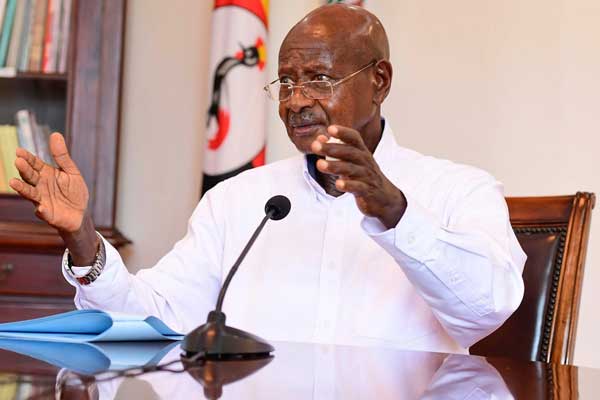
President Museveni imposed a 42-day nationwide lockdown during his address on Friday last week in which he banned both public and private transport apart from vehicles transporting patients and goods. However, the president said tourist vehicles are allowed to move as long as they are licensed and have documents indicating their destinations and activities.

This is the second national lockdown as the Uganda is facing following a second wave of Covid-19 which hit the country at the beginning of this month when cases started to surge rapidly. The first lockdown was imposed in March last year when the country registered its first Covid-19 cases and lasted for over four months.

Covid-19 status in Uganda

So far Uganda has recorded 71,543 Covid-19 cases and 660 deaths but 49,532 people have recovered since the first case was recorded according to the ministry of health. The ministry also reports that a total of 1,257, 535 people have been tested for Covid-19 while 821,659 have so far been vaccinated.

Tourism during Covid-19 pandemic in Uganda

Tourism was one of the heavily affected sectors during the first lockdown which saw a big number of people employed in the sector lose their jobs and several businesses in the close down. The country also lost huge amounts of tourist revenue following the closure of Entebbe International Airport.

Tourism is Uganda’s leading foreign exchange earner with the sector generating over $1.5b in revenue for the country. The industry had started to pick up following the lift of the first lockdown and reopening of the airport and this might be the reason that prompted the president to leave it open for operation.

Several Covid-19-control measures have been put in relation to tourism to allow continuity in the sector. These include requiring all incoming tourists to have negative test results of Covid-19 taken at least 72 hours before departure from their home countries. Tourists are also subjected to mandatory testing at the airport at arrival. While on their tours, visitors are supposed to follow all the measures put in place which include wearing face masks, social distancing, among others.

Why Uganda is popular among tourists

Having been referred to as the Pearl of Africa by former British Prime Minister Sir Winston Churchill, Uganda remains as one of the best tourist destinations in Africa. The country’s abundance of wildlife, warm weather, beautiful sceneries of stunning lakes, rivers, mountains and rainforests coupled with friendly people make Uganda one of the most appealing destinations to visit.

Major tourist attractions in Uganda

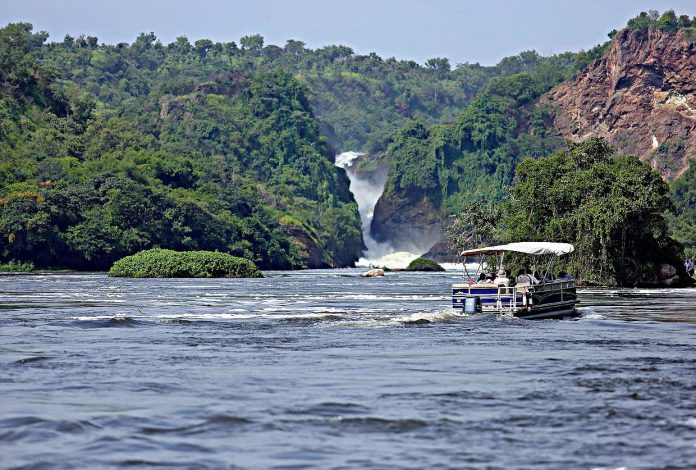
Wildlife attracts the highest number of tourists to Uganda with major activities including gorilla trekking, game viewing, chimpanzee tracking and birding. The country has 10 national parks and several game reserves which protect hundreds of different wildlife species. Some of Uganda’s leading national parks include Murchison Falls national park, in the northwest, Queen Elizabeth national park in the west and Kidepo Valley National Park in the northeast. Gorilla trekking in Bwindi Impenetrable National Park which protects the highest number of mountain gorillas in the world is the leading tourist activity in Uganda. Other popular game species commonly found in Uganda’s parks include lion, leopard, elephant, buffalo, rhino, zebra, giraffe, warthog, hippo, and several antelope species. Bird-viewing is another popular tourist activity in Uganda with the country hosting over 1,000 bird species within its boundaries including Rift Valley endemics.

Travellers can also enjoy several adventure experiences in Uganda like white-water rafting at the source of the Nile, the longest river in the world and mountain climbing at Mount Rwenzori, the third-highest mountain in Africa. Other experiences include nature walks, chimpanzee tracking, city and cultural tours.

How to avoid conmen, thieves and fraudsters in Kampala

0
staying safe in kampala

Kampala is one of the busiest cities in Africa with a huge population of over 3 million people. The city is surrounded by a number of slums which mostly accommodate low income earners majority of whom operate in the city centre to earn a living. The city is mostly filled with young people below the age of 30 who leave their villages to tap into the city’s income-generating opportunities.

Unfortunately, not everyone who comes to Kampala succeeds in getting what to do due to a high unemployment rate in the city and other parts of the country. Those who lose out in the fight for the few employment opportunities available are left to live miserably in the highly costly and challenging life of Kampala. This has resulted into a high crime rate in the city and its surrounding areas with major cases including theft, fraud, robbery and sometimes murder.

With such unfriendly environment in the city, one needs to be extra careful while passing through or doing business in Kampala especially visitors and those who come to the city for the first time. Here is our guidelines on how to avoid thieves, conmen, and fraudsters in Kampala city;

Avoid moving in the city late night

It is not recommended to move in Kampala city and surrounding towns beyond 10 PM. This is the time when criminals are roaming around targeting to steal property of those still walking on streets. If you are accidentally caught up by time in the city, try to hire an authorised and licensed taxi to transport you back to your home or wherever you will spend the night.

Do not talk on phone while walking on Kampala streets or in a taxi

Many people have fallen victims of thieves who snatch away their phones while talking or handling them on Kampala streets or inside taxis. Never be tempted to pull out your phone from your bag or pocket while still on the busy streets and arcades of Kampala because that maybe the last time you see it.

Buy products from only authorised dealers and shops

There are hundreds of shops along streets of Kampala but unfortunately most of these sell poor quality and counterfeit goods. Do not be tempted by the cheap prices they offer you especially for electronic products like phones and laptops. Try to locate authorised dealers and shops like telecom service centres or shopping malls and do your shopping from there.

Do not stop to listen to those calling you along the streets

There are many fraudsters in Kampala who stand along streets and call those passing by for several reasons. Some pretend to be selling products while others may disguise to be in need of help but their main aim is to steal from there victims. If you are so compassionate, you can drop a few coins or notes in the bags to the disabled and sickly who line up along the streets and move on.

Do not enter into any enticing deal with any one in the city

It is a common practice for conmen in Kampala and surrounding towns to approach travellers and introduce enticing deals to them which include earning lots of money. Some pretend to be having expensive valuables like gold and diamond which they promise to give you if you offer them the services they need including financial transactions. Many people have fallen victims of this and some even collapse after realising that the gold or diamond package given to them carries stones and other fake products instead. The best way to guard yourself from this is to simply walk away and tell them you are not interested in any deals or you are not ready to offer the service they need.

Ignore any calls you receive asking you to go and collect prizes or send money

Fraudsters in Kampala usually call people and tell them they they have won prizes from telecom companies and other big organisations. In return they ask them to first send them so money in order to receive the prizes which include cash, cars, motorbikes, houses, phones, among others. Some suggest enticing deals which will result into earning millions of money while others claim to have sent money mistakenly to your phone and ask you to send them back a lesser amount and enjoy the balance. In most cases they first send misleading text messages to their victims which show that they have received money before they call to ask for it. If you find yourself in this situation, it is better to first check your mobile money account balance to confirm whether you have received any money before sending the amount they have told you. For those promising prizes and deals, just ignore them or simply tell them you are not interested.

Handle tightly anything you are carrying while passing through the city

Thugs usually target those walking through the city and forcefully snatch away the property they are carrying. They majorly target women’s handbags, phones, cash, luggage, and other light items. It is highly recommended to always be alert and handle anything you are carrying tightly as you go through the city.

Use only gazeted taxi parks and stages for transport

For transport services in the city, it is recommended for travellers to go to gazeted taxi parks or stages for motorcycles. Never board vehicles or motorcycles of freelance motorists who drive and ride along the streets picking passengers because thieves usually use this method to pick and rob travellers of their property. It is also advisable to record the number plate of any vehicle or motorcycle you board before using it.

If you need any kind of help while in the city, go to a nearby police station

Avoid asking for help from anyone while in Kampala city. This may alert thieves of your vulnerability and capitalise on it. If you find yourself in a situation where you need to be helped out, it is advisable you go to a nearby police station for your safety. They will be able to help you without putting your life or property in danger.

Exchange money from banks or authorised forex bureaus only

There are many money-exchanging agents in Kampala but not all of them are genuine. If you go to a wrong agent, you are likely to be given counterfeit currencies which may leave you stranded in the city. It is recommended to go to a bank or an authorised forex bureau and do all your financial transactions from there.

Avoid over-crowded shopping centres

If you are need of shopping but not very familiar with the city, it is advisable to avoid going to downtown’s over-crowded shopping centres as they accommodate a lot of criminals targeting shoppers. There are safer shopping areas like shopping malls which guarantee your safety and that of your property.

Avoid withdrawing huge sums of money from mobile money agents in town

Withdrawing large sums of money from mobile agents can easily expose you to thieves in town. They usually hang around these money points to target those they see withdrawing large amounts. In case you need to withdraw such big monies, it is better to carryout the transaction from the bank or at the ATM.

Do not give your luggage to anyone to carry

There are many wrong elements in town who pose as luggage carriers but in actual sense targeting to steal such items from the owners. They usually stand around offloading points targeting passengers with heavy luggage only to run away and disappear with it after being hired to carry it.

Avoid moving with large sums of money

Thugs in town have mastered the art of identifying travellers with large sums of money. Once identified, they trail them and attack and rob them at dangerous places where they can’t get any help. It is recommended for travellers to move with less cash just enough to buy what they want while the rest of transactions can be done in safer places like banks.

Only eat food from well organised restaurants

Eating food from small and crowded restaurants in town can easily expose you to thugs and thieves who always target people in such places. It is better to go to more organised restaurants away from downtown if you are hungry and can’t wait to go back home for your own security.

Latest article

Kidepo Valley National Park

Kidepo Valley National Park ranked among Africa’s top safari parks

Kidepo Valley National Park, located in north eastern Uganda in the Karamoja sub-region has once again been recognized as one of Africa’s top safari...

Echuya Forest National Park

Echuya Forest Reserve recently designated as Echuya National Park is a high- altitude forest located in the south western Uganda. The protected area is...

Uganda Strengthens Rhino Conservation With Arrival of Eight Rhinos From South Africa

Uganda has strengthened its wildlife conservation efforts with the arrival of eight Southern white rhinos from Munyawana Conservancy in KwaZulu-Natal, South Africa, reinforcing the...