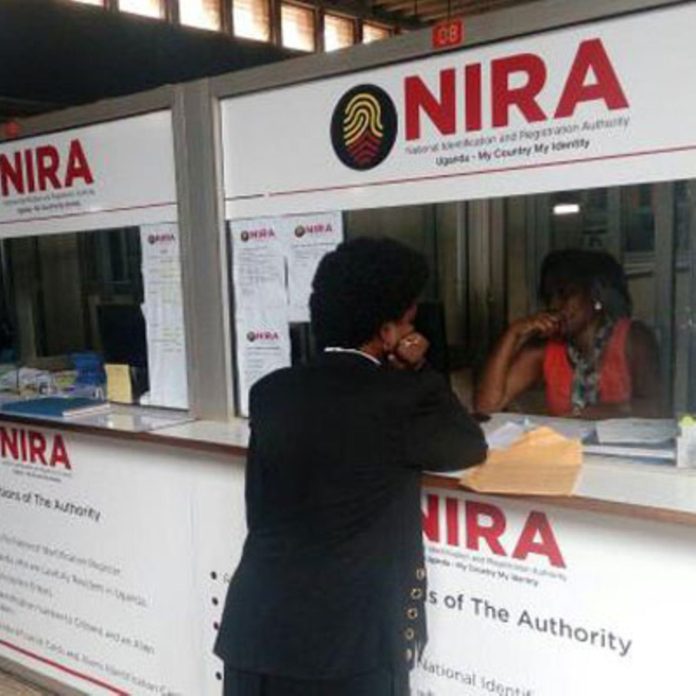
The National Identification and Registration Authority (NIRA) in Uganda has launched an online pre-registration system on its website with an aim of making it easier for citizens to obtain or renew their National Identity Cards (IDs) from any location of their internet access. This initiative is part of a broader effort to enhance efficiency and accessibility in the national identification system.
How the pre-registration portal works
This self- service option is available for both first-time applicants and those renewing expired ID cards. For optimal performance, users are advised to access the portal via a desktop or laptop computer rather than mobile phones. The portal allows users to fill in their personal and parental information digitally. After submitting the application, a unique reference number is generated which users represent to the nearest NIRA registration center to complete biometric enrollment, which includes fingerprint and iris scans.
The ID renewal exercise began with a pilot phase which involved the NIRA board members and officials from the Ministry of Internal Affairs and started from May 2 to May 26, 2025. The initial phase involves registration of the general masses nationwide and it is scheduled to run from 27th May and will run for at least six months. Those with expired IDs are given up to August 12, 2025 after this date all will be considered invalid.
This campaign aims to register over 17 million new applicants and renew over 15 million existing IDs. These new cards will support digital identification, online verification, and better access to government services. In addition, NIRA plans to deliver completed National IDs to applicants’ homes, making the process more convenient and reducing the need to return to collection centers.
Application requirements and fees
Depending on the type of application different documents are required, however ID renewal is free for individuals presenting their old national ID, either in original form or as a photocopy. In cases where the ID is lost, a valid police letter can be used. The replacement fee of UGX. 50,000 applies for lost IDs and requires a police report whereas the corrections or changes in the records on the ID will cost UGX 200,000. In case one is making changes in personal information, you will have to go to the NIRA district offices with supporting documents.
First-Time Applicants (18 years and above) must present an introduction letter from the Local Council 1 (LC1) chairperson signed and stamped by a security officer (GISO or ISO) or a citizenship certificate issued by the Directorate of Citizenship and Immigration Control. The letter should include the applicant’s name, date of birth, tribe, clan, and nationality, as well as information about their parents. The registration is free for all first timers.
Applicants Under 18 Years must present a photocopy of at least one parent’s National ID. If both parents are deceased, a copy of a blood relative’s ID is required.
Renewal Applicants must bring their original or a photocopy of their National ID. If it is lost, a police report must be presented. More information is available on the official NIRA website.
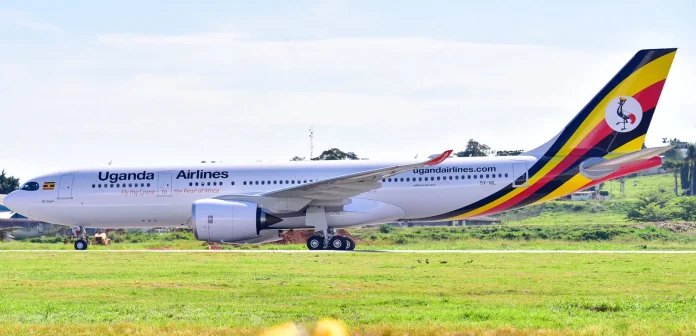
Uganda Airlines has officially announced that scheduled flights connecting Entebbe International Airport (EBB) and London Gatwick Airport will start on May 18, 2025. This symbolizes an immense achievement for the national airline as it starts its maiden route to Europe. This is the first time in over ten years Uganda and the United Kingdom will have a direct flight link thus marks the airline’s first push into the European market.
The newly introduced service will operate four times every week, on Sundays, Tuesdays, Wednesdays, and Fridays. The departing time from London Gatwick varies throughout the day, from morning to evening offering flexibility for both business and leisure travelers. For instance, Tuesday and Wednesday flights depart between 9:40 and 9:50 a.m., whereas Sunday flights depart at 7:05 p.m. Flights take around 9 hours, and all arrive in Entebbe on the same day or early the next morning.
The flight is going to be operated by Uganda Airlines’ flagship aircraft, the Airbus A330-800neo, one of the world’s most advanced and rare wide-body aircraft in commercial service. The airplane has three classes: 20 Business Class seats with lie-flat mattresses, 28 Premium Economy seats with increased legroom, and 213 Economy Class seats with sophisticated entertainment systems. Throughout the flight, the airline pledges to provide passengers with comfortable and culturally appropriate services.
This expansion into Europe comes as Uganda Airlines celebrates its fifth anniversary, a historic milestone that marks the airline’s transition from its initial formation phase to long-term growth. According to CEO Jenifer Bamuturaki, the new London route “marks the end of our establishment phase and sets us on course for long-term growth and expansion.” The launch of direct flights to London is expected to boost tourism, trade, and cultural exchange between Uganda and the United Kingdom. It will also give a convenient travel option for Uganda’s significant diaspora in the UK, reducing the need for lengthy layovers in other countries.
The Ugandan government operates Uganda Airlines and it was started in 2019. The organization is the reincarnation of an older airline with the same name which went out of business in 2001.
The concept of Uganda Airlines is a common one as the government believes that establishing a national airline will benefit the economy significantly, as international air service may promote economic growth. However, the airline is also very ambitious, possibly unrealistically so.
While the Dubai and Mumbai routes may be primarily concerned with transferring individuals seeking employment overseas, I believe the London route is mostly concerned with visitors, considering Uganda’s natural beauty and safaris.
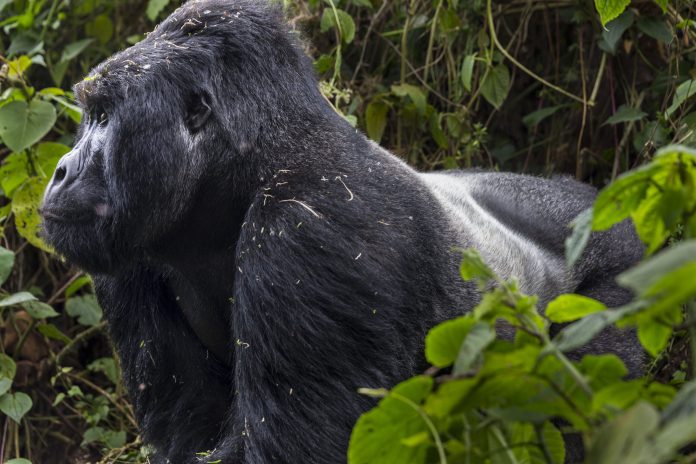
This development aligns with Uganda’s broader efforts to boost tourism. The country offers a diverse array of tourism activities like gorilla trekking in Bwindi Impenetrable National Park, chimpanzee trekking in Kibale forest National Park and game viewing in savannah parks.
Will this route genuinely generate revenue for Uganda airline?
Uganda Airlines is trying to grow though continues to lose bundles of money, for instance, in 2024 the organization lost around $65 million which is a lot of money especially considering the airline’s fleet of around a half-dozen aircraft. However in previous years, losses were far higher.
Africa is a difficult aviation market, particularly when it comes to lengthy flights. Ethiopian Airlines is successful because it is the only organized and developed airline that provides unequaled access to the continent. Aside from that, the region has few profitable airlines.
The fate of the London route will most likely be determined by how long the government is ready to accept losses and how much the government feels an airline contributes to economic growth.
Tickets for Entebbe- London Gatwick Airport route are currently available through Uganda Airlines official website, airline booking offices and other major booking platforms.
Conservation Through Public Health (CTPH) is an innovative Ugandan non-profit organization established in 2003 by Dr. Gladys Kalema-Zikusoka, Lawrence Zikusoka, and Stephen Rubanga. The CTPH offices are located in Buhoma sector Bwindi Impenetrable National Park. The organization is committed to supporting the conservation of biodiversity through enabling people, gorillas and other species to coexist in their protected areas through improved health and livelihoods.
Initiatives of Conservation Through Public Health
One health approach
CTPH operates on a “One Health” paradigm acknowledging the interdependence of humans, animals and environmental wellness. This interrelated approach unites veterinarians, medical and public health experts, and conservationists to address issues related to health. CTPH’s goal is to develop ecologically sound solutions which help individuals as well as animals through conservation of wildlife, public health and alternative sources of income. This approach has Prevented the transmission of diseases across species and has promoted sustainable coexistence.
Community Engagement and Empowerment
The involvement of the local communities is one of the essential aspects of CTPH’s strategy. In order to educate the community members to provide integrated wellness and conservation education, the organization established Village Health and Conservation Teams (VHCTs). Teams like these promote a sense of accountability amongst community members through campaigns regarding reproductive health, health, hygiene, and conservation awareness.
Conservation Through Public Health (CTPH) also established Gorilla Conservation Coffee, a charitable organisation which supports local coffee farmers by offering them highest prices to produce Arabica coffee in an attempt to increase earnings and reduce dependence on forest products. This initiative has promoted the preservation of gorilla habitats as well as increasing community revenue.
Monitoring and Research
CTPH developed the Gorilla Health and Community Conservation Centre near Bwindi Impenetrable National Park. The center is where gorilla health is monitored by fecal sample analysis. This facility also acts as a hub for community engagement, teaching, and research. This has therefore increased the connection between conservation initiatives and the health of the community.
The operation of CTPH is carried out in several parts of Uganda and some of these include;
Bwindi Impenetrable National Park
In this region, Conservation Through Public Health (CTPH) prioritizes community wellness and mountain gorilla conservation. This is done through the initiatives that were established by the organisation.
Queen Elizabeth National Park
Conservation Through Public Health (CTPH) established Queen’s Pavilion Telecentre in 2007 with support from the British High Commission. This facility is located along Crater Drive and serves as a visitors information center and digital portal to the local community through offering computer training and internet connection. The Telecentre empowers local communities like Kamukungu and Kikorongo through increasing their participation in conservation activities and encouraging sustainable lifestyles.
CTPH collaborates with the Uganda Wildlife Authority (UWA) to monitor and control infectious diseases within Queen Elizabeth National Park. The organization encourages prompt detection and responses to potential outbreaks by regularly checking animals like buffaloes for diseases like anthrax and Rift valley fever. CTPH also educates park rangers about wildlife health monitoring.
Pian Upe Wildlife Reserve
Conservation Through Public Health (CTPH) started operations in Pian Upe in 2013 following “One Health” theology which emphasizes mutual dependence among human, animal, and ecological health. CTPH with financial help from the French Embassy’s Social Development Fund trained Conservation Community Animal Health Workers (CCAHWs) in collaboration with the District Veterinary Officer.
These community volunteers play a pivotal role in promoting conservation awareness and public health education, improving livestock health and husbandry methods and establishing early warning systems to avoid disease transmission between livestock, wildlife, and humans.
Mount Elgon National Park
CTPH introduced the Village Health and Conservation Teams (VHCTs) approach in the Mount Elgon region in districts like Bukwo, Kween and Bulambuli. This approach integrates health, conservation, and sustainable livelihoods to promote an extensive plan known as the Population, Health, and Environment (PHE) model. CTPH trained these VHCTs working together with the stakeholders so as to deliver essential amenities directly to homes, such as family planning, hygiene education, and conservation awareness.
These teams are also responsible in collecting monthly data on health and conservation indicators, that helps in decision-making and adaptive management. CTPH also established Village Savings and Loan Associations (VSLAs) within each community so as to ensure the longevity and self-sufficiency of these initiatives. These associations provide financial services and also support income generating activities such as livestock rearing and sustainable agriculture.
Note:
CTPH’s broad approach shows that improving people’s wellbeing and livelihoods is very crucial for animal conservation. CTPH has helped to increase the endangered mountain gorilla population through engaging communities, expanding health, and creating long-term economic prospects.
Agro-tourism also known as agricultural tourism is a form of travel in which visitors have an opportunity to experience living on farms or in rural areas. In Uganda, agro-tourism has developed over many years. For instance, in 1975 Kabeihura Farmers Ltd a 20-hectare tea plantation was established in Bushenyi District. Over the time it was expanded to 250 hectares majorly for agriculture. The farm deals in dairy, poultry, fish farming and yogurt processing. Kabeihura Farmers Ltd has established itself as a model for integrating tourism and agriculture.
In 2020 the Uganda Tourism Board (UTB) joined together with agricultural businesses in order to foster agro-tourism in the 18 regions and 51 districts in the country. The primary goals for this initiative was to assist the stakeholders in tourism and agriculture to raise awareness and promote agro-tourism goods and services. Uganda has become more urbanized and farmers have adapted to the use of technology in farming. Both domestic and foreign visitors benefit greatly from agro-tourism.
Uganda has got different farms which are meant for agro-tourism and most of them are owned by individuals. Some of them include;
Coffee farms
Uganda is recognized for its thriving coffee industry with many farms across the country cultivating Robusta and Arabica coffee. For instance, the areas of Mount Elgon and Rwenzori mountains are home to numerous coffee farms which produce high quality Arabica coffee. The central region is predominantly known for growing Robusta coffee. Coffee growers have adopted both organic and sustainable agricultural practices which help local ecosystems while also improving the quality of coffee. For instance, some of the coffee growers have transitioned to agroforestry models which integrate coffee cultivation with other crops and trees. This is done in order to support biodiversity and environmental conservation.
Many coffee farms in Uganda have embraced agro-tourism and offer different experiences. Some of the activities offered by these farms include; guided nature walks which gives visitors an opportunity to learn about the coffee cultivation process, harvesting, coffee processing and brewing. Another activity is cultural interactions where visitors engage with the local community, participate in traditional dances and taste indigenous cuisines.
Tea plantations to Agro-tourism in Uganda
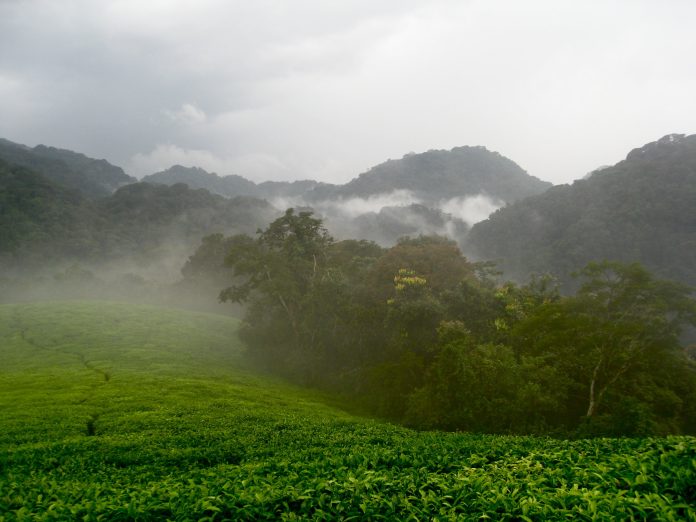
Tea farming in Uganda is one of the important parts of the country’s economic and agricultural sector. In Uganda tea cultivation was introduced in the early 1900s, however in the 1970s tea production decreased due to economic and political unrest. In the 1980s the initiatives to revive the sector were undertaken which included government- private partnerships.
Most of these tea farms are mostly found in western, southwestern and central areas. Some of these farms include Toro and Mityana Tea Company (Tamteco), The Kijura Tea Company, and Madhvani Group which manages many other tea estates like Mwera and Nakigalala Tea Estates. These tea farms offer different experiences to visitors, for instance, tea plantation tours where visitors get a chance to learn different tea types, tea picking, planting and harvesting process.
Another experience is the tea tasting experience where tourists get a chance to taste different samples of Uganda tea like black, green and speciality teas which change flavours based on the processing method used. Also tea farm tours offer a chance to visitors to interact with the local people and learn about their cultural life through dance, storytelling, and craft. Most of these tea farms border forests and game reserves which gives tourists other experiences like bird watching, nature walks among others. Tea farms also hold tea themed events and workshops where visitors enjoy live music, try local cuisine and coffee themed products.
Cotton farms
Cotton farming has been one of key opponents to Uganda’s economy and agricultural sector and a source of survival to numerous small household farmers. Cotton growing in Uganda was introduced in 1903 during colonial rule and emerged as one of major cash crops in the country. With introduction of cotton many textile businesses were opened like Nyanza Textile also known as Nytil which stands as Uganda’s largest integrated textile industry.
Cotton farming is mainly done in districts like Arua, Hoima, Kasese and Masindi and most of these cotton farms are open to agro-tourism. These cotton farms offer different experiences which include guided walks where visitors get an opportunity to walk through cotton fields and see how it is planted and harvested, the traditional and modern techniques used in cotton farming among others.
Also visitors get hands-on opportunity to pick cotton, ginning, spinning and weaving cotton alongside farmers. These cotton farms also offer cultural experience where visitors get an opportunity to learn and participate in the traditional cotton dyeing and weaving, dancing, and storytelling.
Pineapple farms
Pineapple farming in Uganda is majorly done in the districts of Luweero and Kayunga and success of pineapple farming in these areas has also opened opportunities for agro-tourism. For instance, projects like the “Pineapple Hunt” let guests visit farms, participate in harvesting activities, and learn about the whole farming and processing journey. Such experiences provide additional income sources for farmers and also educate visitors about sustainable farming practices and the cultural relevance of pineapple cultivation in Uganda.
Cocoa farms
Cocoa farming has become one of Uganda’s main agricultural practices and mostly done in districts like Bundibugyo, Mukono, and Masaka. In Uganda cocoa agro tourism can be experienced at Mugamba Farm near Semuliki National Park. The farm covers an area of 300 acres and grows a variety of agricultural products such as coffee, cocoa, bananas, and vegetables.
Mugamba agricultural farm offers many activities to visitors like cocoa farm tours where visitors go for guided walks in the cocoa plantation and observe how cocoa trees are grown, pollinated and harvested. They are able to see both organic and sustainable cocoa farming practices. Visitors also get hands-on cocoa harvesting experience, demonstrations of the fermentation and drying of cocoa beans, experiencing bean to bar workshops where visitors learn roasting, grinding and making chocolate. Other activities offered on the farm include; bird watching, cultural integration, visiting waterfalls among others.
Internationally, cocoa agro-tourism has been successfully adopted in nations such as Ghana. With the country’s first cocoa farm being the Tetteh Quarshie Cocoa estate which was established in 1879 and later it was transformed into a tourist attraction known as the Ecomuseum of Cocoa. Visitors to the farm may learn about the region’s cocoa production history and see some of the first cocoa trees established by Tetteh Quarshie.
Cattle farms to Agro-tourism in Uganda
Cattle rearing is one of Uganda’s most important agricultural businesses and plays a crucial role in the country’s economy, livelihood and food security. Cattle rearing gives cultural and economic importance particularly to people in Ankole and Karamoja. Cattle ranching as agro-tourism provides educational and cultural experience for both local and international tourists. Cattle farms offer farm tours where visitors are showcased the indigenous breeds like Ankole longhorn and the exotic breeds, hands-on farm activities like milking, feeding, cattle dipping, and grooming. Visitors also get a chance to experience dairy and meat processing like traditional ghee making, cheese production, milk processing and beef preparation.
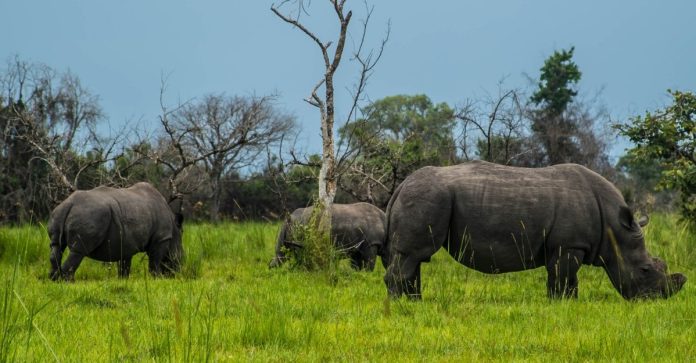
Ziwa Rhino Sanctuary is located in Nakasongola District north east of Kampala city Uganda. It is the only place in the country where you can observe white rhinos in their natural habitat. The sanctuary was established in 2005 as part of a collaborative effort between the Rhino Fund Uganda and the Uganda Wildlife Authority (UWA). Rhinos were reintroduced into Uganda after they were declared extinct in the country in the 1980s due to poaching and civil unrest. Ziwa serves as a breeding and conservation center for the southern white rhinoceros.
The northern white rhino was eradicated from Murchison Falls National Park and Kidepo Valley National Park. The sanctuary began with six southern white rhinos as four rhinos were donated by Disney Animal Kingdom in the USA, and Kenya. The other two were born in captivity from the Solio Ranch in Kenya. In addition to rhinos, the sanctuary has expanded its wildlife diversity with the recent translocations of giraffes and hartebeests from Murchison Falls National Park. This was done to enhance the ecological richness and offer visitors a broader wildlife experience.
Activities done in Ziwa Rhino Sanctuary
Rhino tracking
This is the main activity offered by the sanctuary and visitors get the opportunity to observe southern white rhinos in their natural habitat. Rhino tracking starts with a briefing from the ranger guide about the rules and regulations of tracking. The activity takes 1-3 hours guided walk within the sanctuary. Upon reaching the rhinos you are allowed to stand in the distance of 7 meters close to rhinos. You will have the opportunity to watch rhinos feeding.
Bird watching in Ziwa Rhino sanctuary
Ziwa Rhino Sanctuary is a home to over 300 bird species which can be spotted in swamps, savanna and woodland areas. Bird watching in Ziwa can be done either in the morning or in the evening and takes 2 hours. Birders look for birds like African Jacana, African Fish Eagle, White-crested Turaco, blue spotted dove, African blue flycatcher, African Grey Hornbill, Ross’s turaco, and African Black-headed Oriole.
Shoebill canoe ride in Ziwa rhino sanctuary
This activity is done from Lugogo wetland and it is led by the sanctuary ranger. Shoebill cane ride is mostly done in the morning and offers visitors the opportunity to spot other animals and bird species alongside the shoebill. Some of these may include; goliath heron, great egret, white crested turaco, egyptian goose, palm nut vulture, speckle breasted woodpecker and giant kingfisher. The canoes that are used are offered by the community and they are paid for their service hence playing a role in conservation partnership.
Guided nature walk
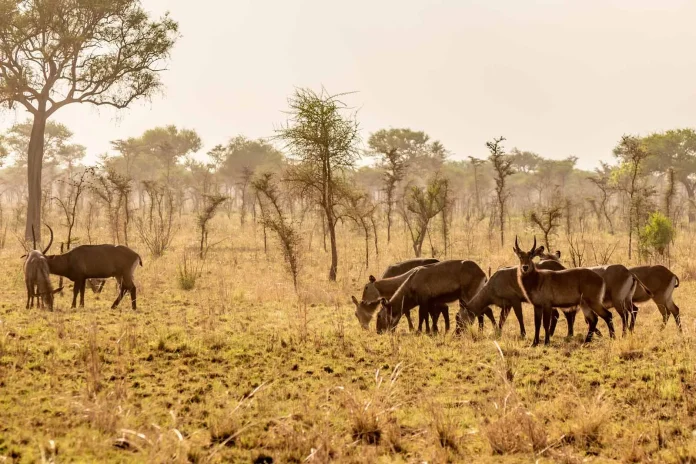
The nature walk offers visitors an opportunity to explore the sanctuary on foot or by car. The activity starts with briefing in the savanna plains headed by the sanctuary ranger who shares all the required information. During nature walk some birds and animals can be spotted like; orbis, giraffes, hartebeests, waterbucks, duikers, Uganda kobs, hippos among others.
How to access Ziwa Rhino Sanctuary
Ziwa Rhino Sanctuary is approximately 176 kilometers (109 miles) north of Kampala, on the Kampala-Gulu highway. Most tourists use the sanctuary as a stop en route to Murchison Falls National Park.
Best Time to Visit Ziwa Rhino Sanctuary
The sanctuary is open year-round. Dry seasons from months of December to February and June to August offer the best conditions for tracking and other outdoor activities.
Accommodation in Ziwa Rhino Sanctuary
Ziwa Rhino Sanctuary has a number of accommodation facilities and these range from budget to mid range and luxury. Some of these facilities include; Ziwa Rhino and Wildlife Ranch, Amuka lodge
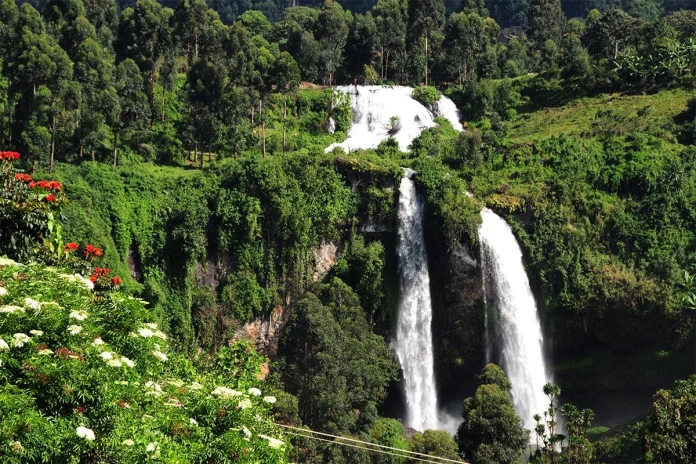
Sipi Falls is a series of three waterfalls located approximately 277 kilometers east of Kampala city near Kapchorwa town. The falls are located on the slopes of Mount Elgon at an altitude of about 1,775 meters (5,823 feet) above sea level.
Sipi Falls comprises three main waterfalls, with the highest cascading from approximately 100 meters. Each of the falls offers a unique perspective of the area’s natural beauty.
The falls are surrounded by lush greenery, coffee plantations, and panoramic views of the Karamoja plains and Mount Elgon.
Activities in Sipi Falls
Abseiling
This activity is majorly done by the adrenaline seekers and it starts with briefing at the top of the highest Sipi falls. You will put on your abseiling gears and then you will head to the edge of drop off. Abseiling is done by descending the slopes and rocks with a friction device that is attached to one’s harness. Visitors hang their body off the cliff and start with the slow descent to the bottom of the waterfalls while enjoying the view and having a mind blowing experience. The activity is not for the weak hearted. At Sipi Falls, abseiling is organised at the Chebonet with the climbing routes ranging from 15 to 35 meters. All this is done with the help of the instructors.
Coffee Tours in Sipi Falls
The Sipi Falls area is known for hosting large coffee plantations with high quality Arabica coffee. The coffee tours offer guided walks through the plantation which gives insights into traditional and modern coffee farming practices. The tourists get the opportunity to go through the process of planting coffee from nursery beds to coffee trees and harvest. Tourists get chances to see how coffee beans are harvested and dried by removing the shells in the hulling process and roasting them on fire. Later these coffee beans are grinded and brewed in different traditional ways. In case tourists want to support these local farmers, they can purchase some coffee and take it back with them at home.
Cultural Experiences
The nearby communities are for the Bagisu also known as Bamasaba and the Sabiny who are hospitable people and practice coffee farming. The Bagisu are famously known for their culture of initiating young men into adulthood. They involve a number of ceremonies which end with circumcision (Imbalu). In the Bamasaba tradition men are not allowed to marry before completing the ritual of circumcision. Whereas the Sabinyi people are known for practicing female genital mutilation also known as female circumcision. However the practice has been prohibited by the government due to pressure from female human rights groups. Despite the ban, some individuals still secretly circumcise their daughters. Sabiny women participate in handcraft which include; baskets and tourists get souvenirs from their shops which contribute to the coffee tree maintaining and raising awareness about the dangers of female circumcision. It also supports education of orphans through paying for them school fees.
Uganda has 10 national parks, 12 wildlife reserves, 5 community wildlife management areas and 13 wildlife sanctuaries with rich biodiversity including over 1,000 species of birds, mountain gorillas, chimpanzees, golden monkeys, and tree climbing lions. Primate trekking and wildlife viewing safaris are the top attractions for international leisure tourists, however. Uganda’s tourism potential is rich and diverse for further development including adventure tourism and unique cultural and historical heritage.
As such, the Uganda Wildlife Authority (UWA), the official government agency responsible for managing wildlife in and outside the protected areas announced its plan to create more 8 national parks to boost tourism and biodiversity conservation by upgrading the status of some of the wildlife and central forest reserves including Pian Upe, Katonga, Budongo, Maramagambo, Ajai, Echuya and Toro Semliki.
These have been selected for a number of reasons such as diversifying tourism products, creating new tourism investment opportunities evenly across the country; conserve biodiversity, increase tourist expenditure, length of stay and increasing foreign exchange earnings. UWA in consultation with the Ministry of Tourism Wildlife and Antiquities (MTWA) among other stakeholders carried out the Protected Area System and Regulatory Impact Assessments to determine the costs and benefits of this undertaking for better decision making.
A Memorandum of Understanding is being prepared by MTWA for consideration and approval by the Cabinet. To carter for the different needs of various stakeholders in the first phase of development, there will be effective resource allocation including more wildlife rangers which need more funds, however. Mr. Boaz Tumusiime, MTWA acting commissioner for wildlife conservation said that the benefits will be greater in terms of wildlife conservation and tourism revenue. The government must play a crucial role in directing and assisting the private sector, local communities, and other stakeholders through putting up an enabling environment including improving infrastructure, targeted marketing and promotion, managing the threats to wildlife such as poaching and invasive species; enforcing of quality standards.
According to MTWA Tourism Sector Performance Report 2022-2023, tourism generated $1.02 5 billion and directly contributed to 610,806 jobs, making for one of Uganda’s six key growth drivers with the greatest multiplier effect, along with Oil and Gas, Agriculture, Human Capital Development, Mining, and Infrastructure development. Given that 8 of the 10 parks are located in western region, the creation of new protected areas aims to address regional imbalances and spread the potential of tourism development evenly across the sub-regions said Samuel Kabula, the undersecretary at the MTWA. It is expected that once the new national parks are created, they will contribute to strategic outcomes such as increased annual tourism revenues with the goal to reach up to $1.862 billion as set out in the tourism development program 2022-2023. Among other outcomes include increasing tourist expenditure and length of stay by developing niche tourism products such as bird watching. Bird watchers tend to stay for longer durations, given the variety of bird species with over 1,062 species found in Uganda including the Shoebill stork.
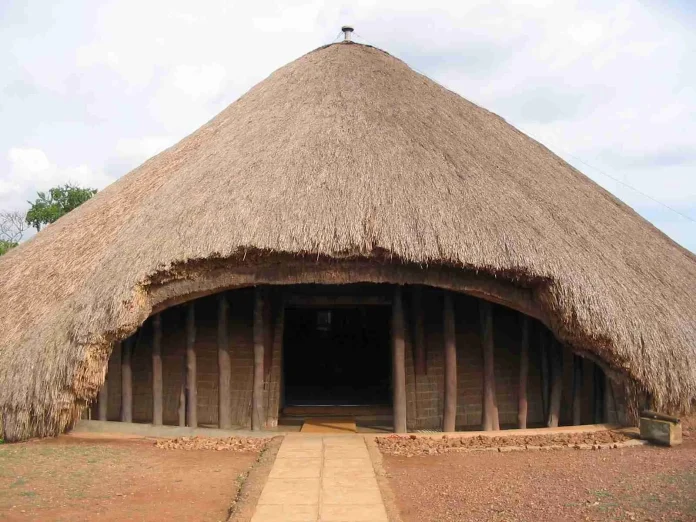
Kasubi tombs are the historical burial grounds of the Kings of Buganda located 5 kilometers northwest of Kampala city. The tombs cover an area of 26 hectares of the Kasubi hillside. Originally the tombs were established as the agricultural land that was farmed using the traditional techniques. The site is one of the major spiritual and cultural sites of the Baganda where their traditional and cultural practices have been preserved. The Kasubi tombs are also religious place for the kingdom where most of the rituals are performed by the royal family. The site represents a place where communication links with the spiritual world are maintained.
The site was originally built in 1882 by Kabaka Muteesa I as his royal palace. After his death in 1884, it was converted into his tomb, marking the beginning of its use as a royal burial ground.
In 2001, the Kasubi Tombs were inscribed as a UNESCO World Heritage Site. The site was recognized for its cultural significance as a unique representation of the Ganda traditions and its continued role in spiritual practices and its outstanding example of traditional architecture.
On March 16, 2010, the main tomb structure was severely damaged by a fire. The loss was a cultural tragedy for Uganda. However, the government, UNESCO, and local communities committed to its restoration, emphasizing its importance to the nation and the world. Following the fire, extensive efforts were made to rebuild the tombs using traditional methods. The restoration aimed to preserve the integrity of Ganda craftsmanship and respect the site’s sacredness.
Beyond its physical construction, the tombs hold profound spiritual significance. They serve as a sacred space where the spirits of the Kabakas are believed to reside, acting as intermediaries between the Baganda people and the spiritual realm. The tombs are also a site for traditional rituals, where Baganda priests and royal family members conduct ceremonies to honor the Kabakas and seek blessings.
The Burial Grounds for Four Kabakas
The Kasubi Tombs house the remains of four Buganda kings, each of whom played a significant role in the history and development of the Buganda Kingdom
Muteesa I (1837–1884): The first Kabaka to be buried at Kasubi, Muteesa I is remembered for opening up Buganda to outside influences, including Christianity and Islam, while maintaining the kingdom’s traditions.
Mwanga II (1867–1903): Mwanga II, Muteesa’s son, ruled during a tumultuous period marked by the arrival of European colonizers and missionaries. He is also remembered for his resistance to British colonial rule, which led to his exile in the Seychelles, where he died.
Daudi Chwa II (1896–1939): Daudi Chwa II’s reign saw the formal establishment of British colonial administration in Buganda, and he played a key role in negotiating Buganda’s position within the Protectorate.
Edward Muteesa II (1924–1969): The last Kabaka to be buried at Kasubi, Muteesa II was both a traditional ruler and the first President of independent Uganda. His leadership was marked by struggles between his role as Kabaka and his position in Ugandan politics.
Structure of the Kasubi Tombs
The Kasubi Tombs are an outstanding example of traditional Ganda architecture, with the main building, Muzibu Azaala Mpanga, being the most prominent and significant structure within the site. The layout and structure of the tombs are deeply symbolic and reflect the cultural and spiritual beliefs of the Baganda people.
The central structure of the Kasubi Tombs, known as Muzibu Azaala Mpanga, is an architectural marvel. It is a large circular house made of natural materials, including wood, reed poles, and thatch. The thatched dome-shaped roof is supported by 52 rings of reed poles, which symbolize the 52 Ganda clans. Its design reflects the Baganda’s sophisticated construction techniques and deep connection to their natural environment. Inside the building, the tombs of the Kabakas are concealed behind a bark cloth curtain, maintaining the sacredness of the site. The structure is divided into sections, with sacred spaces reserved for the spirits of the Kabakas and areas for rituals performed by appointed caretakers, known as Baluŭzzi.
The Gatehouse (Bujjabukula) is the entry point to the tombs, serving as a ceremonial gateway. It is traditionally constructed with wooden poles and thatch, symbolizing the transition from the outside world into the sacred grounds of the Kabakas.
The Courtyard (Olugya) is a large open area that serves as a gathering place for ceremonies and rituals. It is also where visitors are received and briefed about the significance of the site.
Surrounding the main tomb structure are smaller houses, the House of the Royal Wives (Ekibira) that accommodate the widows of the deceased Kabakas. These houses are an important part of the royal burial tradition, as the widows play a role in maintaining the spiritual connection with the Kabakas.
The Drums House (Ndoga-Obukaba) houses the royal drums, which are used during important ceremonies and rituals. The drums hold cultural significance as they are used to announce events and pay tribute to the Kabakas.
Around the site, there are smaller grave markers and shrines dedicated to other members of the royal family and significant clan leaders. These areas reinforce the spiritual importance of the site and its role as a royal burial ground.
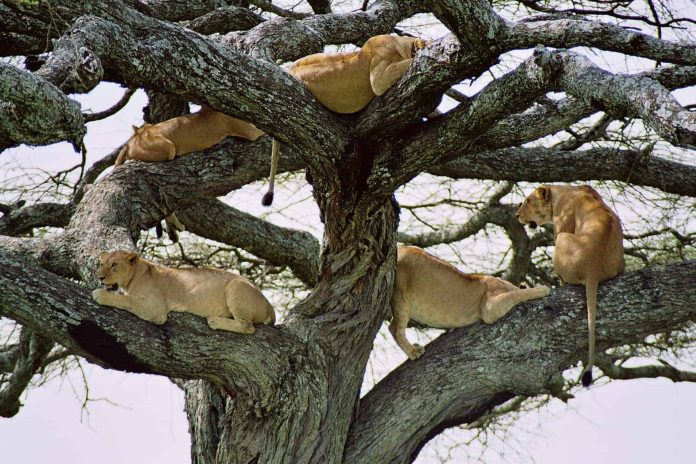
Tree climbing lions are found in Ishasha, the southern sector of Queen Elizabeth National Park. This sector offers game drives which have the highlight of searching for tree climbing lions. However, there are also other animals that can be spotted during the experience like; elephants, buffaloes, topi, Uganda kobs, oribi, and bush bucks. Tree climbing is a usual behavior in the cat family however, rare to see some species like lions and cheetahs climbing trees.
Why tree climbing lions in Ishasha sector of Queen Elizabeth National Park
There are researched assumptions that explain why lions have adapted to climb trees and why it is more common in Ishasha than elsewhere. Some of these reasons include;
The nature of the trees in Ishasha sector, ficus sycamorus also known as sycamore fig is the most climbed tree species. This is because the tree has big and thornless branches which can lift the weight of a mature lion and the whole of the pride from cubs to the mother to the king( male lion). Lions like sleeping on branches of the trees which have no strikes and hooks because of their berry which has soft skin. Also these trees have many branches and broad leaves that can give a good shade during sunny hours to avoid sunburn.
According to research lions in Ishasha they mostly climb trees between the time of 11 am to 5 pm which is always hot hours. This implies that they climb up to escape the heat and look for fresh air since they have few sweating glands so as to regulate their body temperature.
The vegetation type in Ishasha sector is also another theory as to why tree climbing lions are more common in this sector. Ishasha is covered by savannah woodland which is adorned with tall grass like spear grass(Heteropogon contortus) and thickets which affect the vision of the lions to spot well prey.
Another theory was that the outbreak of the tsetse flies in the area also influenced these lions to adopt climbing tall trees so as to avoid fly bites. These flies could not allow lions to rest during hot hours and since flies cannot exceed the height of 5ft to avoid irritations by insects and bugs on the ground, lions resorted to climbing trees.
Best time to see tree climbing lions
Tree climbing lions in Ishasha can be spotted anytime throughout the year though the best time to spot them is during the dry season. During the months of June, July, August, September, October, December, January and February. In this time there is less rainfall and vegetation is short which offers a clear view of tree climbing lions. Also during this period the roads in Ishasha and Queen Elizabeth National Park are passable which makes game drives in the area easier.
How to access Ishasha sector in Queen Elizabeth National Park
Ishasha sector can be accessed by road or air. The sector is found in the southern part of Queen Elizabeth National. Road transport from Kampala to Ishasha takes 7 to 8 hours drive using Kampala- Mbarara- Kasese road or Kampala- Mubende-Fort Portal- Kasese road. You can also access Ishasha sector from Bwindi Impenetrable National Park passing through coffee plantations in Kihihi. The journey takes 2 to 3 hours. And those from Kigali- Rwanda you will pass via Katuna border and then Kabale- Ntungamo- Kasese road. This journey takes 5 to 6 hours.
Those seeking convenience and speed, air travel provides a seamless option. Tourists can book scheduled or chartered domestic flights from Kajjansi Airfield and Entebbe Airport. The flight takes just under two hours to reach Ishasha sector, with Kihihi and Kasese airstrips serving as landing sites. When booking flights to Queen Elizabeth National Park, you can contact domestic airline offices or you can go through tour operators.
Accommodation in Ishasha sector
The park has a variety of accommodation facilities in Ishasha sector ranging from budget, mid range and luxury. Some of these facilities include; Ishasha Wilderness camp, Enjonjo lodge, Ishasha Jungle lodge, Ishasha pride lodge and Topi lodge.
The merging of UWEC and UWA has resulted into one stop-center. The Uganda Wildlife Education Center (UWEC) and Uganda Wildlife Authority (UWA) officially merged to form one strong institution. In spite of having something in common, the two have been working independently of each for over 30 years. The Board of Trustees at UWEC handed over its responsibilities to UWA Board of Directors at Sheraton Hotel Kampala in mid October bringing together the expertise needed for better wildlife conservation education in Uganda. The presiding state minister for Tourism, Wildlife, and Antiquities Hon. Martin Mugarra Bahinduka also launched the National Conservation Education Strategy.
Causes of merging of UWEC and UWA
The UWEC Act, 2015, established UWEC to facilitate the promotion and conservation of Uganda’s unique wildlife resources through conservation education various school and community outreach programs. The center also showcases Uganda’s rich biodiversity including primates such as chimpanzee, black and white colobus monkeys, patas monkeys; herbivores which include elephants, buffalo, Jackson’s hartebeest, common eland, bushbucks, impala, and reedbuck; carnivores, including lions, leopards, serval cats, tigers; birds, and reptiles including the African Rocky Python. The center also maintains hospitality and recreation facilities including children’s play center and cottages which
promotes tourism.
There’s also a wildlife Bio-Data at the center. UWEC helped to transform what was formerly Entebbe zoo and a wildlife rescue and rehabilitation center into one of the best conservation
education institutions in Africa. According to Ministry of Tourism of Tourism Wildlife and Antiquities, UWEC received 660,452 visitors in 2024 compared to 337,357 in 2017, making for an important
milestone in tourism development in Uganda. Now under the merger UWEC has been positioned as Entebbe Community Conservation Area (ECCA) which includes the National Botanical Gardens and the proposed 4 regional satellite wildlife conservation education centers in Gulu, Kyenjojo, Mbarara, and Mbale districts headed by David Musingo, the newly appointed chief warden.
UWA is responsible for managing Uganda’s protected areas including 10 national parks and 11 wildlife reserves, ensuring conservation of wildlife including wildlife on the local community lands. Coexisting peacefully with wildlife, UWA’s community conservation department ensures that conservation benefits people too through revenue sharing scheme among other sustainable practices. The law enforcement
unit enforces law to combat poaching, encroachment, illegal wildlife trade thereby safeguarding wildlife upon which Uganda’s tourism sector thrives. “By combining UWA’s operational expertise with UWEC’s public outreach and education, we are creating a stronger institution to better serve our wildlife and people, Hon Martin said, the merge is critical to improving our wildlife management, enhancing public education and promoting sustainable development.“
The merging of UWEC and UWA came after the Cabinet adopted the Rationalization of Government Agencies and Public Expenditure Bill in 2021. This policy aims to stop duplication of roles among government agencies and enhance resource allocation and service delivery for economic growth.
Road safety is very important when traveling by car, especially for tourists and self-drive travelers exploring urban, rural, or safari destinations. Following road safety...
Self-driving in Uganda is a great way for tourists to explore wildlife parks, cultural destinations, cities, and scenic landscapes independently without chauffeur services. However,...