Why you should visit Uganda in 2021

0
attractions

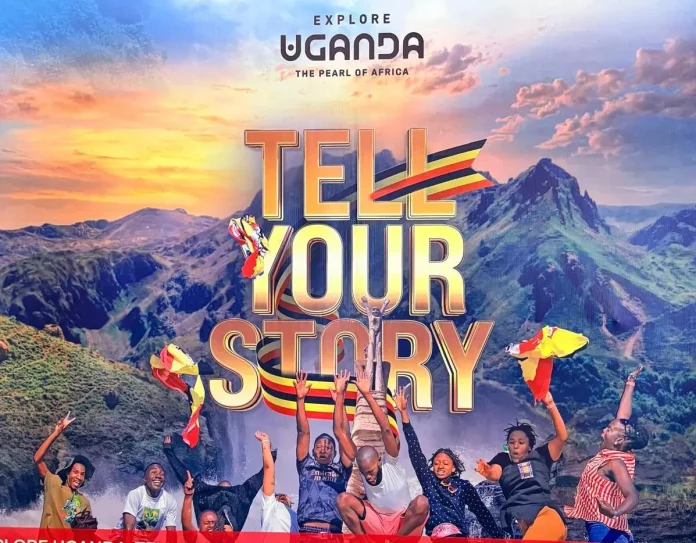
Uganda is famously referred to as the “Peal of Africa” a name which was given by former British Prime Minister, Sir Winston Churchill after his visit to the east African country more than 60 years ago. To call Uganda so, Churchill based on his observation of Uganda’s natural beauty which is made up of the ever-warm weather, dozens of inland water bodies including craters, rift valley and fresh-water lakes and rivers including the Nile, the longest river in the world, stunning forests, beautiful mountains, amazing wildlife species and of-course the ever friendly and welcoming people, among others.

Since then, Uganda has kept flourishing in beauty which has made its tourism industry very popular becoming one of the leading tourist destinations in Africa. Today Uganda attracts thousands of tourists each year and tourism has become the country’s leading foreign exchange earner.

Here are Uganda’s major tourism highlights that should compel you to plan a trip soon to experience the Pearl of Africa’s beauty firsthand;

WILDLIFE SAFARIS

For wildlife enthusiasts, Uganda is the perfect destination to fulfil all your dreams in the jungle. The country boasts a variety of rare species that are hardly found anywhere else in the world including birds, primates species.

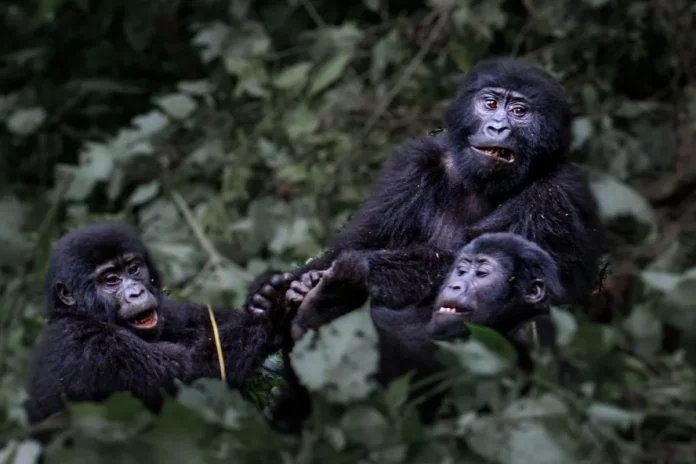
Gorilla trekking

Gorilla trekking in Bwindi Impenetrable National Park

Uganda is one of the only 3 countries in the world with the rare and endangered mountain gorillas which have become one of the world’s leading tourist attractions. Uganda’s mountain gorillas are found in the montane forests of Bwindi Impenetrable National Park and Mgahinga Gorila National Park in the southwest of the country. It is scientifically proven that gorillas share about 98% of the human DNA and this makes them man’s closet relatives alongside chimpanzees. Today, it is estimated that the global population of mountain gorillas is about 1,063 individuals and more than half of them are found in Uganda. Trackers have been able to habituate over 15 gorilla groups in Bwindi and one in Mgahinga which are now visited by tourists on a daily basis. This numerical advantage in gorilla population gives Uganda an upper hand as the best gorilla trekking destination since trekkers are assured of 100% chance of meeting their allocated gorilla group on every trekking trip. For more information about gorilla trekking in Uganda, you can contact Gorilla Trek Africa, who are experts in organising gorilla tours and other wildlife safaris in both Uganda and Rwanda.

Game Viewing safaris

Elephants at Kazinga Channel in Queen Elizabeth National Park

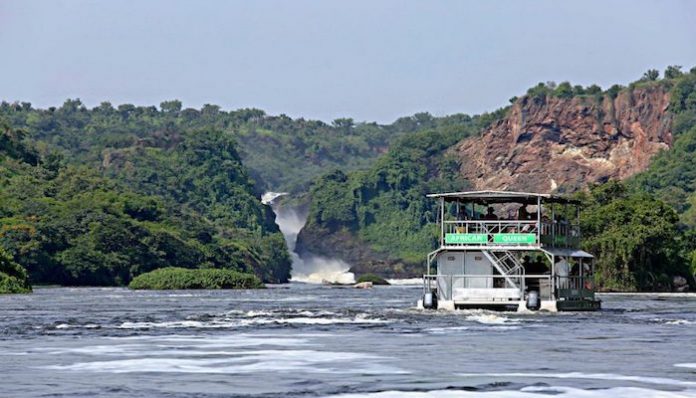
Uganda is also one of the most ideal destinations when it comes to game viewing. The country boasts 10 national parks and a several game reserves that are evenly distributed in all its regions. Uganda is home to the famous Africa “big five” which include lion, leopard, elephant, buffalo and rhino which are available in impressive numbers in the park’s national parks. Some of Uganda’s best wildlife reserves for game viewing and game drives include Murchison Falls National Park in the northwest, Queen Elizabeth National in the west, Kidepo Valley National Park in the northeast, Lake Mburo National Park in the southwest and Semuliki National Park in the west. Other common game species usually seen in these parks include zebra, Rothschild giraffe, antelopes, duiker, warthog, wildbeest, among others.

Chimpanzee tracking

Chimpanzees in Kibale Forest National Park

Uganda is arguably the best chimpanzee tracking destination in the world given the huge presence of these intelligent primates in almost every national park you can visit. Kibale Forest National Park in the west of the country is popularly known as the primates capital of the world majorly due to the huge population of chimps alongside other primate species like monkeys and baboons. Other places where chimpanzee tracking take place in Uganda include in Murchison Falls National Park and Queen Elizaneth National Park at Kalinzu and Kyambura Gorge. Ngamba Island Chimpanzee Sanctuary on Lake Victoria near Entebbe Airport which protects chimpanzees in captivity is also another popular spot for chimp enthusiasts.

Bird-watching

The Uganda Crested Crane

Uganda boasts over 1000 bird species within its boundaries which makes it one of the best bird-watching destinations in the world if not the best over all. These include some rare species like the famous Shoebill, African green broadbill and Grauer’s swamp warbler. Uganda also hosts Albertine Rift endemic birds including Rwenzori Turaco, Handsome Francolin, Stripe-breasted Tit, Red-Throated Alethe, Dwarf Honeyguide, among others. The best spots for bird-watching in Uganda include Mabamba swamp, Budongo forest, Queen Elizabeth National Park, Semuliki National Park and Bwindi Impenetrable National Park.

ADVENTURE EXPERIENCES

Adventure travellers can visit Uganda with confidence that they will not be disappointed because the country offers a variety of breathtaking experiences to the brave-hearted tourists

Mountain climbing

Tourists at Margherita Peak of Mount Rwenzori

Mount Rwenzori, the third-highest mountain in Africa is Uganda’s best hiking spot. The mountain presents its visitors with a hiking challenge to its snow-caped peak of Margherita which stands at 5,109m above sea level, the highest point in Uganda.

River Nile encounters

White-water rafting at the source of the Nile

River Nile, the longest river in the world has its source in Uganda at Jinja, from the waters of Lake Victoria. There are a variety of adventurous experiences at the source of the Nile which include white-water rafting, kayaking, boat cruises, among others.

CULTURAL AND HISTORICAL TOURS

The Karamajong entertaining tourists

Uganda has amazing cultural and historical tours which always leave travellers with a sense of attachment and affection to the country’s culture and history. Some of her amazing tours include a visit to the famous Kasubi tombs in Kampala, the burial site for Buganda kings, the Uganda Museum, and the Namugongo Martyrs Shrine, a memorial site for the Uganda Martyrs, among other places. Uganda cultural tours also feature visits to some of the country’s rarest tribes like the Karamojong in the northeast and the Batwa pygmies in the southwest who are always visited after wildlife experinces in Kidepo and Bwindi national parks respectively.

Social experiences

Revellers enjoying life in one of Kampala’s night clubs

You can always spare some time on your Uganda tour to experience what the country’s social life feels like. This can start with a brief city tour around the capital Kampala with visits to the city’s main markets, taxi parks, shopping malls, cafes, among others. In the evenings, you can enjoy some of Uganda’s best entertainment and night life experience in Kampala from some of the city’s main pubs and clubs. A variety of musicians and comedians will keep you on your toys during the sessions as you enjoy drinks from a variety of both local and international beverages available. Don’t miss a chance to taste some of Uganda’s best cuisines including the famous street rolex, chicken, matooke, fish and more.
Exploring Uganda’s big five game

0

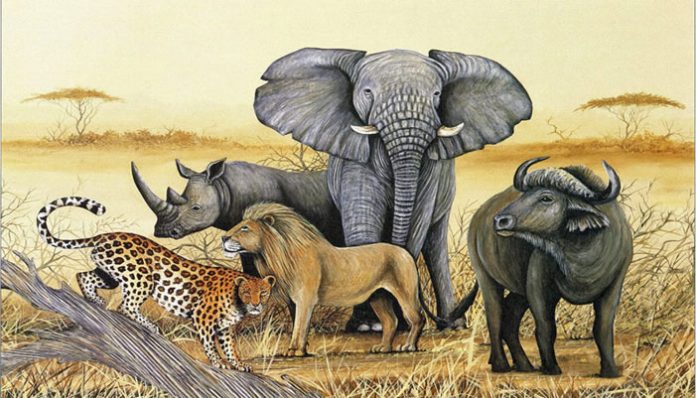
Uganda is one of the countries that are blessed with the big five game that include lion, leopard, rhinoceros, elephant and the cape buffalo that are all readily seen on a wildlife safari.

The term big five was initially used by the big-game hunters who referring to the five most difficult animals to hunt on foot though it is now commonly used by safari tour operators worldwide.

Uganda has got all the big five game within her parks and all but rhinoceros and can be found within the country’s major parks of Murchison Falls national park, Queen Elizabeth national park and Kidepo valley national park.

Uganda’s Rhinoceros are protected within the Ziwa Rhino sanctuary at Nakasongola on your way to Murchison Falls national park. Tourists always have a stop over here to track the rhinos before they proceed to Murchison to complete their big five safari.

The African elephant

African elephants in Uganda

It is scientifically referred to as Loxodonta Africana and arguably the largest animal in the world. Uganda has got both savanna and forest elephants with the savanna elephants relatively larger than their forest counterparts.

There are over 5000 elephants in Uganda’s wilderness and they are commonly found in Murchison Falls national park, Queen Elizabeth national park and Kidepo Valley national park.

The African lion

Tree-climbing lions in Queen Elizabeth National Park

Not very may in number like the buffaloes and elephants in Uganda.  These large carnivores scientifically known as Panthera Leo are widely known as the Kings of the jungle. Lions are well known for their formidable natural strength that allows them to lure any prey including those far bigger than them like elephants and buffaloes.

Uganda’s lions are found in several national parks across the country but the presence of the unique tree-climbing lions in Queen Elizabeth national park stars as the major feature of Uganda’s lions. The tree –climbing lions are found in the Ishasha sector of the park where tourists flock every day to enjoy this magnificent view. However, a safari to other parks Murchison, Kidepo

The African cape buffalo

Buffaloes in Kidepo Valley National Park

The African cape buffalo is the most numerous in Uganda among the country’s big five game. In all the parks where they are found in Uganda, buffaloes are the most numerous among all the big five with Kidepo valley national park having more than 10,000 buffaloes.

Buffaloes are fond of grazing in large groups of about 2000 individuals which gives tourists such a magnificent view of these enormous animals in the parks. Large herds of buffaloes can be seen by tourists while on their game driving safari in Queen Elizabeth national park, Murchison Falls national park and Kidepo valley national park in the northeast, Lake Mburo national park and Semuliki national park.

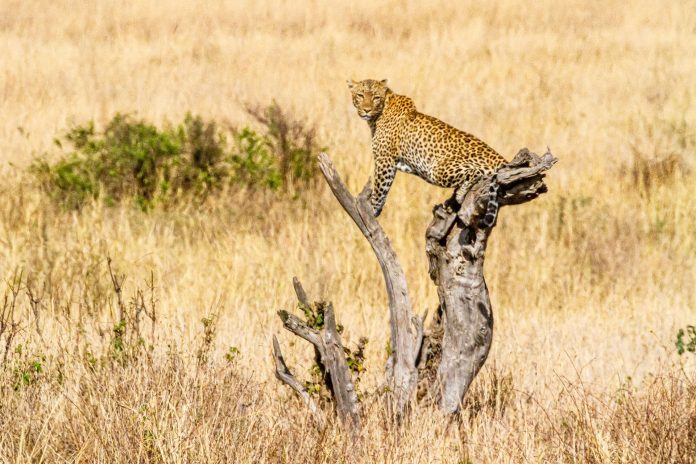
Leopard

A leopard in Murchison Falls National Park

The major distinguishing feature between leopards and the other members of the big five family is that they are nocturnal which makes them rarely seen during day. They are strong cats, ever fierce and never scared despite their small size.

Leopards are present in Murchison falls national park, Queen Elizabeth national park, Kidepo valley national park, Lake Mburo national park, Mount Elgon national park, and Kibale forest national park. A nocturnal game drive in these parks is the best to see to see these carnivores and cat family members.

The Rhinoceros

A mother Rhino and her baby at Ziwa Rhino Sanctuary

 These large and thick-skinned mammals complete our Uganda big five game package and they should not miss on your Uganda safari list.

Rhinos possess one or two upright horns on their nasal bridge as their trade mark. Rhinos in Uganda have been exclusively protected at Ziwa Rhino Sanctuary along the Kampala-Gulu highway where tourists enjoy a brief stopover to visit them before they continue to Murchison falls national park or Kidepo valley national park for more game viewing experience.

The sanctuary has got over 20 individuals of white rhinos that were introduced here in 2005.

With the presence of all the big five game in the country, a wildlife safari to Uganda is really very rewarding and the travelers can always choose to complement their itinerary with other wildlife encounters like gorilla trekking in Bwindi Impenetrable national park and Chimpanzee tracking in Kibale forest national park.

Packing tips for road trip in Uganda 

0

A well packed bag can make your road trip smoother, safer, and more enjoyable. Whether you are heading to a safari park, a countryside retreat or a city getaway, smart packing helps you stay prepared for changing weather, long drives, and remote destinations.

Pack light but smart

Avoid overpacking, especially if you are traveling in a smaller vehicle. Choose practical clothing that can be layered. Neutral-colored clothes are ideal for safari areas, while light and breathable fabrics are suitable for warm weather. Include a light jacket or sweater for early mornings and evenings, which can be cooler in some regions.

Carry important travel documents 

Keep your essential documents in a safe and accessible place. These may include your driving license, passport or ID, car rental agreement, insurance details, and accommodation confirmations. It is also wise to keep digital copies on your phone or email.

Prepare a road trip essentials bag 

Have a small bag within reach containing:

  • Drinking water
  • Snacks
  • Sunglasses
  • Sunscreen
  • Wet wipes or hand sanitizer
  • Phone charger or power bank
  • Basic toiletries. This helps avoid unnecessary stops and keeps you comfortable during long drives.

Pack emergency and safety items

For safety, include:

  • A first aid kit
  • Flashlight or headlamp
  • Reflective safety vest
  • Portable phone charger
  • Basic tool kit (if self-driving). If traveling to remote or wildlife areas, it is important to be prepared in case of unexpected delays.

Bring navigation and communication tools 

Although GPS and mobile apps are helpful, some remote areas may have limited network coverage. Download offline maps before departure. Carry a car charger for your devices to keep them powered throughout the trip. Alternatively you can carry physical maps or directions in case of any technological glitch. 

Consider weather and terrain 

Uganda’s weather can vary depending on the region and season. If traveling during the rainy season, pack waterproof jackets and suitable footwear. For safari trips, comfortable closed shoes are recommended.

Organize luggage properly 

Place heavier luggage at the bottom and lighter items on top to prevent movement while driving. Keep frequently used items easily accessible. Avoid blocking rear visibility with stacked bags.

Food and refreshments

If traveling long distances, pack simple snacks such as fruits, nuts, or sandwiches. However, avoid leaving food exposed inside the vehicle, especially in wildlife areas.

Cash and cards

It is advisable to carry some local currency with you and cards for any unforeseen expenses and emergencies. 

Entertainment for long drives

For long road trips, consider downloading music, podcasts, or audiobooks in advance. You can also carry a book, play cards or any other form of entertainment. This makes the journey more enjoyable, especially when traveling with family or friends.

Final check before departure

Before starting your trip, ensure your vehicle has:

  • Enough fuel
  • Proper tire pressure
  • Spare tire and tools
  • Working headlights and indicators. A final vehicle check gives peace of mind before heading out.


Road safety tips in Uganda

0

Road safety is very important when traveling by car, especially for tourists and self-drive travelers exploring urban, rural, or safari destinations. Following road safety rules helps prevent accidents, protects passengers, and ensures a smooth journey across the country.

Drive within the speed limit

Always follow posted speed limits on highways, city roads, and rural areas. Speeding reduces reaction time and increases the risk of accidents. In busy towns and market areas, drivers should slow down and watch for pedestrians, cyclists, and roadside vendors.

Wear seat belts at all times

Seat belts should be worn by both the driver and all passengers inside the vehicle. Seat belts help reduce injuries in case of sudden stops or accidents. If traveling with children, appropriate child restraint systems should be used.

Avoid driving while tired or distracted

Fatigue is a major cause of road accidents. Drivers should take regular breaks during long-distance travel. Using mobile phones while driving is dangerous unless using hands-free communication systems.

Observe traffic rules and road signs

Uganda drives on the left-hand side of the road. Drivers must respect traffic lights, road signs, and pedestrian crossings. Overtaking should only be done when the road is clear and safe.

Be careful in rural and safari areas

When driving near wildlife conservation areas or rural communities, reduce speed and stay alert because animals or livestock may suddenly cross the road. Night driving near parks is discouraged due to possible wildlife movement.

Maintain safe distance from other vehicles

Always keep a safe distance from the vehicle in front of you. This helps prevent collisions if the vehicle ahead suddenly stops or slows down.

Avoid driving at night in remote areas

Night driving in rural regions can be risky due to poor road lighting, pedestrians walking along roads, and possible animal crossings. If possible, complete long-distance travel before sunset.

Check vehicle condition before traveling

Before starting your journey, check:

  • Tire pressure and spare tire availability
  • Fuel level
  • Brake system performance
  • Headlights, indicators, and windshield condition
  • Engine oil and coolant levels. Regular vehicle inspection helps reduce mechanical breakdowns during travel.

Follow pedestrian and community safety rules

Reduce speed when passing through villages, schools, markets, and residential areas. Honking excessively in quiet community zones should be avoided.

Prepare emergency contacts

Carry emergency contact numbers for your car rental company, roadside assistance, and local emergency services. Having a first aid kit, flashlight, and basic repair tools is also helpful.


Self-drive tips in Uganda

0

Self-driving in Uganda is a great way for tourists to explore wildlife parks, cultural destinations, cities, and scenic landscapes independently without chauffeur services. However, safe self-drive travel requires preparation, awareness of road conditions, and responsible driving practices. Tourists should understand driving essentials, road safety rules, navigation systems, and emergency procedures before starting their journey.

Tourist driving essentials

Tourists planning a self-drive trip should carry essential travel documents such as a valid driving license, passport or national identification, and rental agreement documents. International tourists may need an International Driving Permit depending on rental company policies. It is also important to carry basic travel items such as drinking water, sunglasses, maps, phone chargers, and emergency contact numbers.
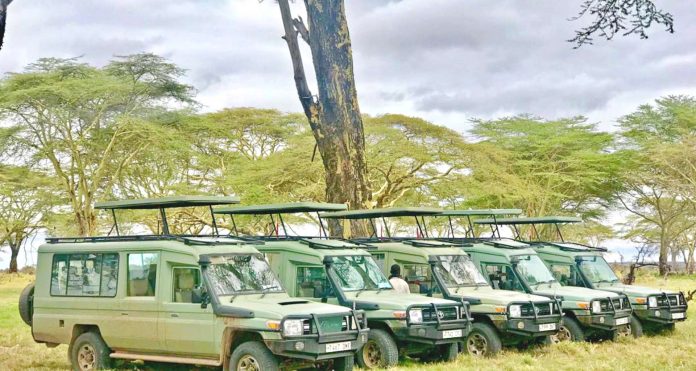
Choosing the right vehicle is also important. Safari destinations and rural tourism areas are best explored using strong 4×4 vehicles such as the Toyota Land Cruiser Prado or similar safari-ready SUVs. These vehicles provide better stability, comfort, and performance on rough or uneven terrain.

Understanding road conditions

Road conditions in Uganda vary across regions. Major highways and city roads are usually paved and smooth, while rural roads and national park access roads may be dusty, gravel-based, or muddy during rainy seasons. Tourists should drive slowly on rough roads and avoid sudden acceleration or sharp braking.
During rainy seasons, some roads may become slippery or flooded. Checking weather forecasts before traveling and allowing extra travel time is highly recommended.

Road safety and driving rules

Uganda drives on the left-hand side of the road. Drivers must follow speed limits, road signs, and traffic regulations. Seat belts must be worn by both the driver and passengers at all times. Avoid using mobile phones while driving unless using hands-free communication.
Driving at night in rural or wildlife areas is not recommended because of poor road lighting, pedestrian movement, and possible animal crossings.
Seat belts and child restraints
Seat belts are mandatory for all passengers inside the vehicle. For families traveling with children, appropriate child safety seats or restraint systems should be used. Parents should ensure children are safely seated and secured during travel.

Navigation and GPS usage

Tourists should use reliable navigation tools such as GPS devices or offline map applications. Some remote safari destinations may have weak mobile network signals, so downloading maps before traveling is helpful.
Drivers should confirm routes with locals or rental company support staff if unsure about road directions, especially when entering national parks or rural tourism areas.

Wildlife encounters

self-driveWhen driving near wildlife conservation areas, tourists should drive slowly and remain alert. Animals may suddenly cross roads, especially in areas close to national parks. Drivers should maintain a safe distance from wildlife and avoid approaching animals for photography.
Night driving near wildlife zones should be avoided because animals are more active after sunset.

Cultural considerations

Respect for local communities is important when driving through villages, trading centers, or residential areas. Drivers should reduce speed near schools, markets, and pedestrian zones. Excessive horn use should be avoided in quiet community areas.

Vehicle maintenance and inspection

Before starting a self-drive trip, tourists should inspect the vehicle condition. Important checks include:

  • Tire pressure and spare tire availability
  • Fuel level
  • Brake performance
  • Lights and indicators
  • Engine oil and coolant levels

Regular vehicle maintenance reduces the risk of mechanical breakdowns during travel.

Roadside assistance and emergency support

Tourists should keep emergency contact numbers for the car rental company. In case of vehicle breakdown, accident, or mechanical failure, the company should be contacted immediately.
If possible, move the vehicle to a safe location away from traffic before waiting for assistance. Carrying basic emergency tools such as a flashlight, first aid kit, and warning triangles is highly recommended.

Insurance coverage

Most rental vehicles are provided with standard insurance coverage as stated in the rental agreement. However, tourists may still be responsible for insurance excess fees in case of accidents or damages.
Clients are advised to understand insurance terms, coverage limits, and liability responsibilities before starting the trip.

Best cars for safari travels

0

Safari travel requires vehicles that can handle rough terrain, long distances, and changing road conditions while keeping passengers comfortable and safe. Choosing the right car is very important because safari destinations are often located in remote wildlife areas where roads may be dusty, rocky, muddy, or uneven depending on the season.

Popular cars for safari 

One of the best safari vehicles is the Toyota Land Cruiser Prado. This vehicle is widely preferred for safari tours because of its strong engine, durability, and comfortable interior. It performs well on rough terrain while still providing a smooth and relaxed ride for passengers. The Prado is suitable for small groups, family safaris, and adventure travel across national parks.

The Toyota Land Cruiser 70 Series is often called the classic safari vehicle because of its toughness and reliability. Tour operators commonly use this model because it can handle difficult off-road conditions, deep park trails, and long-distance travel without frequent mechanical problems.

For travelers who want a balance of luxury and performance, the Toyota Land Cruiser 300 is an excellent modern safari vehicle. It offers advanced comfort features, strong safety technology, and improved suspension systems, making it ideal for long safari drives and premium travel experiences.

The Land Rover Defender is another legendary safari vehicle known for its exceptional off-road capability. It is designed to move through mud, sand, and rocky terrain while keeping passengers comfortable inside.

For group travel and transport within or between destinations, the Toyota HiAce is commonly used. It is suitable for cultural tours, airport transfers, and group safari transport, although it is not recommended for very rough wildlife park roads.

Why you need a right car on a safari

The right car safari car is important because safari destinations are often located in remote natural environments where road conditions can change quickly. National park roads may be dusty during dry seasons and muddy or slippery during rainy seasons. A strong 4×4 vehicle helps ensure safety, stability, and smooth movement across different landscapes.

Comfort is also important during safari travel because game drives can last several hours. A good safari vehicle should have good suspension to reduce bumps, provide proper seating space, and allow passengers to enjoy wildlife viewing without discomfort. Safety is another key reason for choosing the right car, as safari areas sometimes have unpredictable wildlife movements.

Fuel efficiency and reliability are also essential because safari trips often cover long distances where fuel stations may be far apart. A well-maintained vehicle reduces the risk of breakdowns in remote areas where mechanical assistance may not be immediately available.


Kidepo Valley National Park ranked among Africa’s top safari parks

0
Kidepo Valley National Park

Kidepo Valley National Park, located in north eastern Uganda in the Karamoja sub-region has once again been recognized as one of Africa’s top safari destinations. The park lies in Kabong District close to Uganda’s borders with South Sudan to the north and Kenya to the east. This recognition further confirms the park’s status as one of the continent’s most outstanding and least crowded wildlife destinations. These rankings draw attention to Kidepo’s wildlife experience, breathtaking landscape and rare sense of wilderness it offers to travelers.

This recognition is based on a continental safari ranking by SafariBookings.com, one of Africa’s most trusted safari planning platforms. The survey analyzed over 2,600 reviews submitted by international travelers and safari experts who rated national parks across Africa. Parks were assessed on key factors such as wildlife quality, landscape beauty, safari experience, and overall visitor satisfaction. In the final results, Kidepo Valley National Park earned a score of 4.58 out of 5, placing it among Africa’s highest rated safari destinations.

What Makes Kidepo Special

Kidepo Valley National Park covers vast open savannah plains framed by rugged hills and distant mountain ranges. Its remote location has helped preserve its raw and untouched character, making it a favorite among travelers who prefer authentic safaris away from busy tourist circuits.

The park’s two main valleys, Narus Valley and Kidepo Valley, give Kidepo Valley National Park a unique character. Narus Valley stays greener for most of the year and attracts large numbers of wildlife, creating lively scenes of grazing animals and predators moving through the grasslands. In contrast, Kidepo Valley is drier and more rugged, offering a dramatic, almost desert-like beauty that feels untouched and ancient. Moving between these two valleys, visitors experience striking changes in scenery within a single game drive.

Wildlife is one of the park’s strongest attractions. Visitors regularly encounter large herds of buffalo, giraffes, elephants, zebras, and various antelope species. The park is also well known for predators such as lions, leopards, cheetahs, and hyenas, as well as rare species like African wild dogs, which are not commonly seen in many East African parks. Because the park receives fewer visitors, wildlife sightings often feel more natural and unhurried.

Kidepo Valley National Park

In addition to the SafariBookings.com survey, Kidepo Valley National Park has received praise from international media and travel platforms over the years. Global travel outlets, including CNN Travel, have previously highlighted Kidepo as one of Africa’s most scenic safari destinations, further strengthening its international profile.

In the SafariBookings.com ranking, Kidepo was listed alongside world-famous parks such as the Serengeti, Okavango Delta, Sabi Sand Game Reserve, and Lower Zambezi National Park. Its inclusion among these iconic destinations reflects how highly it is regarded by experienced safari travelers, despite being less known than some of its counterparts.

Impact on Uganda’s Tourism

This recognition is a major boost for Uganda’s tourism sector. While the country is globally famous for gorilla trekking, Kidepo’s ranking highlights Uganda’s strength in classic savannah safaris as well. Tourism authorities view this achievement as an opportunity to attract more visitors to northern Uganda, encourage investment in tourism infrastructure, and create economic benefits for surrounding communities.

As more travelers seek meaningful and uncrowded safari experiences, Kidepo Valley National Park continues to stand out as a destination that offers wildlife richness, stunning landscapes, and a deep sense of adventure. Its place among Africa’s top safari parks confirms that Uganda is home to some of the continent’s finest wilderness experiences.

Echuya Forest National Park

0

Echuya Forest Reserve recently designated as Echuya National Park is a high- altitude forest located in the south western Uganda. The protected area is located between Lake Bunyonyi and Mgahinga National Park bordering Rwanda in the north east. The park stretches between Kisoro and Rubanda county along the Albertine rift area and it is bisected by the main Kabale -Kisoro road. Echuya covers approximately 34 sq kilometers and sits at an elevation of about 2200 to 2500 meters above the sea level. Echuya was first gazetted as undemarcated crown forest in 1951. Later in 1964, it was transformed to a Central Forest Reserve. The forest features a high altitude swamp known as Muchuya which hosts more than 50 pairs of endangered grauer’s swamp warblers.  

Flora in Echuya Forest National Park

Echuya Forest National Park is dominated by high altitude bamboo forest and it covers the largest portion of the reserve. The bamboo grows well in the cool highland conditions and forms thick stands that provide shelter for wildlife, prevent soil erosion and regulate water flow. In addition to bamboo, the reserve contains montane hardwood tree species. Common  trees include Hagenia abyssinica, Podocarpus, and Prunus africana which are typical of high-altitude forests in the Albertine Rift. These trees create a dense forest canopy that supports many bird species and provides shade and moisture for the forest floor. The forest is also made up of shrubs, herbs, ferns, mosses and climbing plants. 

Echuya Forest has over 20 endemic tree species, Macaranga Capensis being the dominant tree occupying over 65% of the forest cover.   

Uganda Strengthens Rhino Conservation With Arrival of Eight Rhinos From South Africa

0

Uganda has strengthened its wildlife conservation efforts with the arrival of eight Southern white rhinos from Munyawana Conservancy in KwaZulu-Natal, South Africa, reinforcing the country’s commitment to restoring endangered species and strengthening its position as a leading nature-based tourism destination in Africa. The new arrivals consist of four males and four females and their addition brings Uganda’s total rhino population to 59.

The rhinos arrived safely at Entebbe International Airport and were received by officials from the Uganda Wildlife Authority (UWA) alongside the Ministry of Tourism, Wildlife and Antiquities and Uganda Tourism Board. From Entebbe, the animals were transferred under strict security to Ziwa Rhino Sanctuary in Nakasongola District, where the conservation team will continue to monitor them closely as they adjust to their new environment.  

In the past, Uganda was home to a healthy population of rhinos, especially in areas such as Ajai Wildlife Reserve and parts of northern Uganda. However, during the 1970s and early 1980s, intense poaching and instability led to the complete loss of rhinos in the wild.        Determined to reverse this loss, Uganda established Ziwa Rhino Sanctuary in the early 2000s as a dedicated breeding and conservation area. Through strong protection, scientific management, and community involvement, the sanctuary has successfully reintroduced rhinos to the country after decades of absence.

The rhinos are currently undergoing a carefully managed acclimatization period at Ziwa Rhino Sanctuary. Wildlife veterinarians and trained rangers are closely monitoring their health, behavior, and adaptation to the local environment. Once fully settled, the rhinos will be integrated into the wider sanctuary, joining Uganda’s existing rhino population. Ziwa remains the only place in Uganda where visitors can track rhinos on foot. This experience continues to attract both domestic and international tourists and adds unique value to Uganda’s wildlife tourism offerings.

Looking ahead, Uganda plans to reintroduce rhinos into selected national parks where they once lived naturally. Currently, conservation authorities assess areas such as Ajai Wildlife Reserve and Kidepo Valley National Park to determine habitat readiness and security. Once conditions allow, these reintroductions will restore natural ecosystems and help Uganda offer the complete Big Five safari experience across its protected areas.

Meanwhile, the return of rhinos continues to strengthen Uganda’s tourism sector. Rhino tracking at Ziwa has become a key stop for visitors traveling to Murchison Falls National Park, supporting safari routes and local businesses. At the same time, surrounding communities benefit through employment opportunities, tourism revenue, and conservation education programs. Consequently, local support for wildlife protection continues to grow.

The arrival of the eight rhinos underscores Uganda’s growing reputation as a responsible conservation destination. It reflects years of investment in wildlife protection, partnerships, and sustainable tourism development. As the rhinos settle into their new home, Uganda continues to demonstrate that conservation and tourism can work hand in hand, protecting natural heritage while offering unforgettable experiences to visitors from around the world.


Uganda Launches Southern Africa Tourism Roadshow

0
Southern Africa tourism

Uganda has officially launched the Southern Africa Tourism Roadshow, a campaign aimed at promoting the country’s diverse tourism to travelers, tour operators, and media professionals in Southern Africa. The roadshow began in Johannesburg and will continue through Durban, Cape Town, Gaborone, Windhoek and Harare. Through this event, Uganda is seeking to expand its presence in Southern Africa and  build strong travel partnerships in the region. The campaign brings together Uganda’s tourism board, private tour companies, hotels, airlines, and media representatives. 

The Southern Africa Tourism Roadshow is like a dynamic traveling exhibition that brings Uganda’s tourism experience directly to Southern Africa. It offers travel professionals and media a first hand view of what Uganda has to offer through interactive presentations, videos and cultural displays. The roadshow highlights a variety of experiences including gorilla trekking in Bwindi Impenetrable National Park, game viewing in Murchison Falls and Queen Elizabeth National Park, bird watching in Bigodi wetland and adventure tourism activities such as hiking the Rwenzori Mountains. The roadshow provides information about Uganda’s tourism products which creates an experience for participants to feel the essence of Uganda before visiting. It also introduces hidden gems, cultural experience and adventure activities to a wider audience. 

Why Uganda is undertaking this Campaign

Southern Africa has many travelers eager to explore new destinations within the continent. Uganda’s tourism authorities see this as a great opportunity to position the country as a top destination for adventure and cultural tourism. The roadshow focuses on different key goals for instance; 

Increasing awareness of Uganda’s tourism diversity

The roadshow highlights a wide range of experiences, from gorilla trekking in Bwindi, chimpanzee trekking in Kibale, safaris in Murchison Falls and Queen Elizabeth, birdwatching in wetlands, to luxury lodges and cultural village tours. The aim is to show that Uganda offers something for every type of traveler.

Strengthening trade partnerships

By directly engaging with travel agents, tour operators, and tourism businesses in Southern Africa, Uganda creates strong networks that facilitate tour packages, joint promotions, and long term collaboration. These partnerships help improve travel planning, increase bookings, and support sustainable tourism development.

Promoting intra-African travel

Uganda encourages travelers to explore the African continent rather than only international destinations. By highlighting accessible flights, regional packages, and safe travel options, the roadshow inspires more regional tourism and cultural exchange within Africa.

Showcasing investment opportunities 

The roadshow also informs business stakeholders about tourism-related investment possibilities, including hotel development, safari lodges, adventure tourism projects, and cultural tourism initiatives. This attracts investors and strengthens Uganda’s tourism infrastructure. Through this approach, Uganda seeks to boost the number of visitors, create partnerships, and grow sustainable tourism in the region.

What happens during the Roadshow

Each city on the tour features a full program of activities designed to help people understand Uganda’s tourism potential and build strong business relationships. These activities include:

Business Meetings

Uganda’s tour operators sit down with Southern African travel agents, airline representatives, and tourism companies for one‑on‑one meetings. They discuss travel packages, prices, logistics, group tours, and special-interest trips like birding or adventure tourism. These meetings help agents fully understand what they can sell to their clients and allow both sides to explore future collaborations.

Presentations

Southern Africa tourism

Uganda Tourism Board and private sector partners give detailed presentations about national parks, gorilla trekking procedures, wildlife experiences, cultural tours, and Uganda’s adventure activities. These presentations often include videos, brochures, updated travel guidelines, visa information, and sample itineraries so participants can get a clear picture of what Uganda offers.

Cultural Shows in Southern Africa tourism roadshow

Traditional performers showcase Ugandan music, dance, drumming, and storytelling. Artisans display handmade crafts such as baskets, beads, and barkcloth products. These performances give the audience a direct experience of Uganda’s warm hospitality and cultural richness.

Media Engagements

Journalists, bloggers, travel editors, and broadcasters interact with Uganda’s delegation through interviews, press briefings, and photo sessions. These engagements help spread accurate information about Uganda’s tourism attractions and generate media coverage that reaches wider audiences across Southern Africa.

Networking

An open networking session allows tourism stakeholders to mix freely, exchange contacts, discuss partnership ideas, and explore marketing opportunities. This informal environment makes it easier for professionals to build strong working relationships. These activities give participants a deeper understanding of Uganda’s tourism experiences and encourage strong travel partnerships and future visitor interest.

Benefits of the Southern Africa Tourism Roadshow

The roadshow brings Uganda several important benefits, helping the country strengthen its tourism position across Africa.  For instance; 

Increase in number of tourists

By showcasing Uganda’s attractions directly to Southern African travelers and travel companies, the roadshow encourages more people to consider Uganda for holidays, business trips, or adventure tours. With clear information and attractive packages, travelers feel more confident about choosing Uganda.

Stronger Partnerships

The face‑to‑face interactions help build trust between Ugandan tour operators and Southern African travel agents. These partnerships lead to joint marketing, combined tour packages, group trips, and long term cooperation. Strong relationships create a steady flow of visitors and help both sides grow their businesses.

Better Brand Awareness

The roadshow helps spread the “Explore Uganda” message across several countries. Through media coverage, social posts, presentations, and cultural showcases, more people learn about Uganda’s landscapes, wildlife, culture, and hospitality. This improves Uganda’s visibility in a competitive tourism market.

Highlights Adventure and Culture

Many travelers in Southern Africa know little about Uganda beyond gorilla trekking. The roadshow helps correct this by showing the full range of experiences like; national parks, hiking, cultural communities, birdwatching, and city experiences. This encourages visitors to explore more parts of the country.

Encourages Regional Cooperation

The campaign strengthens relationships between Uganda and Southern African tourism boards, airlines, hotels, and travel companies. These connections support regional tourism growth, joint promotions, shared market opportunities, and easier travel between countries.


Lake Bunyonyi: Formation, Ecology, Human Activity, and Emerging Environmental Risks

0
Lake Bunyonyi

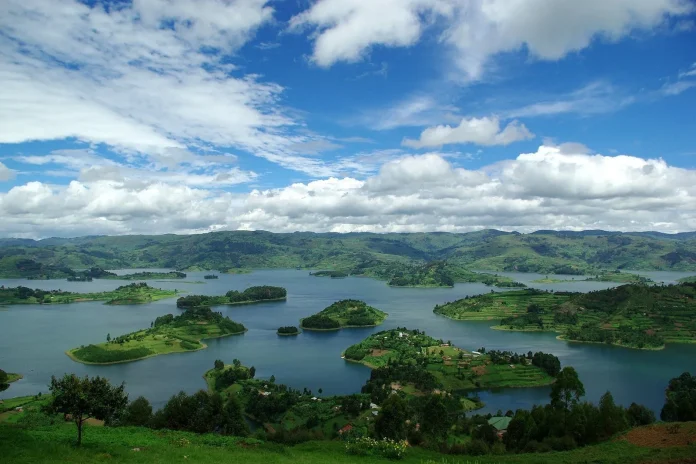
Lake Bunyonyi is a lava-dammed freshwater lake located in  Kabale and Rubanda districts of the Kigezi sub-region, southwestern Uganda a region also known as the Gorilla Highlands. The lake was formed around 18,000 years ago when lava from the Virunga volcanic mountains blocked the course of the Ndego River, leading to water accumulation in the valleys between the region’s steep-sided hills. As a result of this geologic activity, a narrow, deep lake was formed with depths ranging from 44 to 900 meters, making for the second deepest lake in Africa. Lake Tanganyika in Tanzania, which has a maximum depth of 1,471 meters is Africa’s deepest lake. Lake Bunyonyi spans 60 Sq. km, and its sub-catchment area Ruhezamyenda covers about 303 Sq. km. The lake lies at elevations between 1,784 to 2,597 meters above sea level.

Physical and Ecological Features

Lake Bunyonyi consists of 29 islands, each with distinct historical and cultural significance
including Punishment Island, Bwama, Bushara, Kyahugye, and Njuyeera (Sharp’s Island).
Punishment Island, in particular, holds a dark history as it was historically used to abandon
unmarried girls who became pregnant, leaving them to die as a form of social punishment.
Unlike many lakes, Lake Bunyonyi lacks natural inlets and has only one outlet at Muko, where water flows into the Ruvuma swamp in Kabale district. Water levels are sustained mainly through direct rainfall and surface runoff from the surrounding highlands. The lake sits within the ecologically rich Albertine Rift Valley and is surrounded by protected areas which include Bwindi Impenetrable Forest, Mgahinga Gorilla National Park, and Echuya Central Forest Reserve, all of which contribute to the region’s high annual rainfall, averaging around 1,045 mm. The rainy seasons occur from March to May and September to November.

Land Use, Agriculture, and Livelihoods

The Kigezi highlands are characterized by fertile volcanic soils such as ferralsols and peat in
swampy areas, supporting extensive agriculture. Farmers cultivate Irish and sweet potatoes, cereals like maize, wheat, sorghum, and beans, as well as vegetables such as cowpeas, carrots, cabbages, and onions. Livestock rearing mainly cows and goats is practiced on a smaller scale, mostly on hillsides. Due to the region’s rich soils and high population pressure with 320 to 416 people per sq. km, the landscape has been heavily cultivated, leading to the replacement of indigenous forests with eucalyptus trees, which are fast-growing but ecologically less beneficial.

Tourism and Economic Importance

Beyond agriculture, tourism plays a significant role in the local economy of Kigezi. The
proximity to Bwindi and Mgahinga Gorilla National Parks makes Lake Bunyonyi a favored
destination for travelers seeking relaxation after gorilla trekking. The waters of Lake Bunyonyi are free from bilharzia, crocodile, and hippo which allow for water sports including swimming, canoeing, and boat rides. The lake supports over 100 bird species, making for a prime site for bird watching. The scenic islands are a must-visit gem for a keen photographer. As tourism grows, over 46 accommodations including hotels, lodges, Airbnbs, and campsites have sprung up around the lake.

Environmental Challenges and Recent Events

Lake Bunyonyi

Lake Bunyonyi is now facing serious environmental threats including wetland degradation,
deforestation, soil erosion, landslides, flooding, and loss of soil fertility. According to the 2019 study titled “Assessment of the Current and Future Available Water Resources Under Different Climate Scenarios in the Lake Bunyonyi Catchment, Uganda”, climate change is a growing concern. Rainfall is projected to increase in intensity and frequency, especially during the rainy seasons. This prediction came to life in August 2025, when the region experienced unprecedented heavy rainfall. As a result runoff from the steep hills washed fertilizers, iron ore from artisanal mines, and human waste into the lake. The lake’s water turned brownish, with an oily sheen on the surface and foul odors. Local residents reported the unusual condition to authorities, prompting an investigation by the Ministry of Water and Environment. On September 2, 2025, the ministry issued a press statement confirming that the discoloration was due to increased siltation and pollution from runoff, not volcanic activity. In addition to the human induced factors, a natural process called lake turnover where cold bottom water mixes with warmer surface water  was cited as a contributing factor. Experts also observed crayfish and other aquatic species swimming at the surface, possibly due to low oxygen levels at the lake’s bottom, as noted by Dr. Alex from Kabale University.

Current Risks and Government Response

The current situation poses several public health and environmental risks including
contamination of drinking water sources, loss of aquatic biodiversity, reduced recreational value of the lake, decline in tourism revenue, and potential public health risks from waterborne diseases. In response, the Ministry of Water and Environment is reportedly working to conducting a comprehensive water quality assessment, reinforcing catchment protection programs as stipulated out in the report including promoting sustainable farming practices, sensitizing communities on waste management, enforcing wetland and forest conservation laws, planning for reforestation of indigenous species to reduce runoff. Lake Bunyonyi’s biodiversity and tourism potential needs to be protected from environmental degradation to preserve both the ecosystem and livelihoods that depend on it.

 Uganda to Host Mega Africa Tourism Expo 2025

0
Mega Africa Tourism Expo

Uganda will host the Mega Africa Tourism Expo 2025 from October 23rd to 25th at the Speke Resort and Convention Centre in Munyonyo, Kampala. This grand continental event, also referred to as the Utalii Africa Tourism Expo, will bring together all 54 African countries to showcase Africa’s vast tourism potential, cultural heritage, conservation efforts, and opportunities for investment in the travel and hospitality sector. The Expo is being organized by the Ugandan government in partnership with Utalii Africa Events, alongside stakeholders such as the Uganda Tourism Board (UTB), the Ministry of Tourism, Wildlife and Antiquities, Uganda Airlines, the Uganda Wildlife Authority (UWA), and other regional and continental tourism bodies.

The Expo’s theme, “Unlocking Africa’s Tourism Potential Through Unity, Innovation, and Sustainability,” aims to promote intra-African travel and trade in line with the objectives of the African Continental Free Trade Area (AfCFTA) and the African Union Agenda 2063, while positioning Africa as a single, competitive tourism destination. There will be a wide variety of participants at the Expo, such as regional tourism boards, private travel agencies, conservation groups, researchers, foreign investors, and government tourism ministries. It is projected that around 2,000 delegates and participants will be present, including cultural performers, airlines, hoteliers, youth entrepreneurs, ministries, tour operators, and travel writers.

There will be a lot going on at the three-day event, such as booths with displays, panel talks, cultural shows, business forums, and times to network. Each African nation will have its own pavilion to showcase its tourism attractions, investment incentives, unique cultures, and environmental initiatives. There will be business-to-business (B2B) areas for meetings between buyers and sellers, a business-to-consumer (B2C) area that is accessible to the public, and a special area where governments and investors may talk about tourist policy and public-private partnerships.

In addition to the exhibition, the Expo will also host high-level conferences and ministerial discussions focusing on challenges and possibilities in Africa’s tourism sector. The discussion will include topics such as air connectivity, visa-free travel, ecotourism, digital marketing, the development of climate-resilient tourism, and the role of women and young people in the sector. Additionally, workshops for tour guides and small business owners, pitch sessions for youth-led tourism innovations, and awards honoring excellence in African tourism will all take place.

Mega Africa Tourism Expo

In order to ensure accessibility, representatives can arrive in Uganda through Entebbe International Airport, which offers direct flights and assistance from Uganda Airlines and other African airlines. There will be plans for ground transportation, lodging, and site visits to Uganda’s national parks and tourist destinations, including Lake Bunyonyi, Jinja, Queen Elizabeth National Park, and Bwindi Impenetrable National Park. Participants will have an easier time getting visas, and security will be tightened up. There will also be COVID-19 health safety steps in place.

Hosting the Mega Africa Tourism Expo gives Uganda the chance to showcase its unique status as the “Pearl of Africa.” It will also enable the nation to highlight its diverse culture, wide range of wildlife, mountain gorillas, beautiful scenery, and expanding hospitality infrastructure. In addition, it is anticipated that the Expo would boost tourism, encourage investment, and enhance Uganda’s status as a secure and exciting location for meetings, incentives, conferences, and events (MICE).


Latest article

Packing tips for road trip in Uganda 

A well packed bag can make your road trip smoother, safer, and more enjoyable. Whether you are heading to a safari park, a countryside...

Road safety tips in Uganda

Road safety is very important when traveling by car, especially for tourists and self-drive travelers exploring urban, rural, or safari destinations. Following road safety...

Self-drive tips in Uganda

Self-driving in Uganda is a great way for tourists to explore wildlife parks, cultural destinations, cities, and scenic landscapes independently without chauffeur services. However,...